Near uranium: Why the Sughd province of Tajikistan leads in oncology?
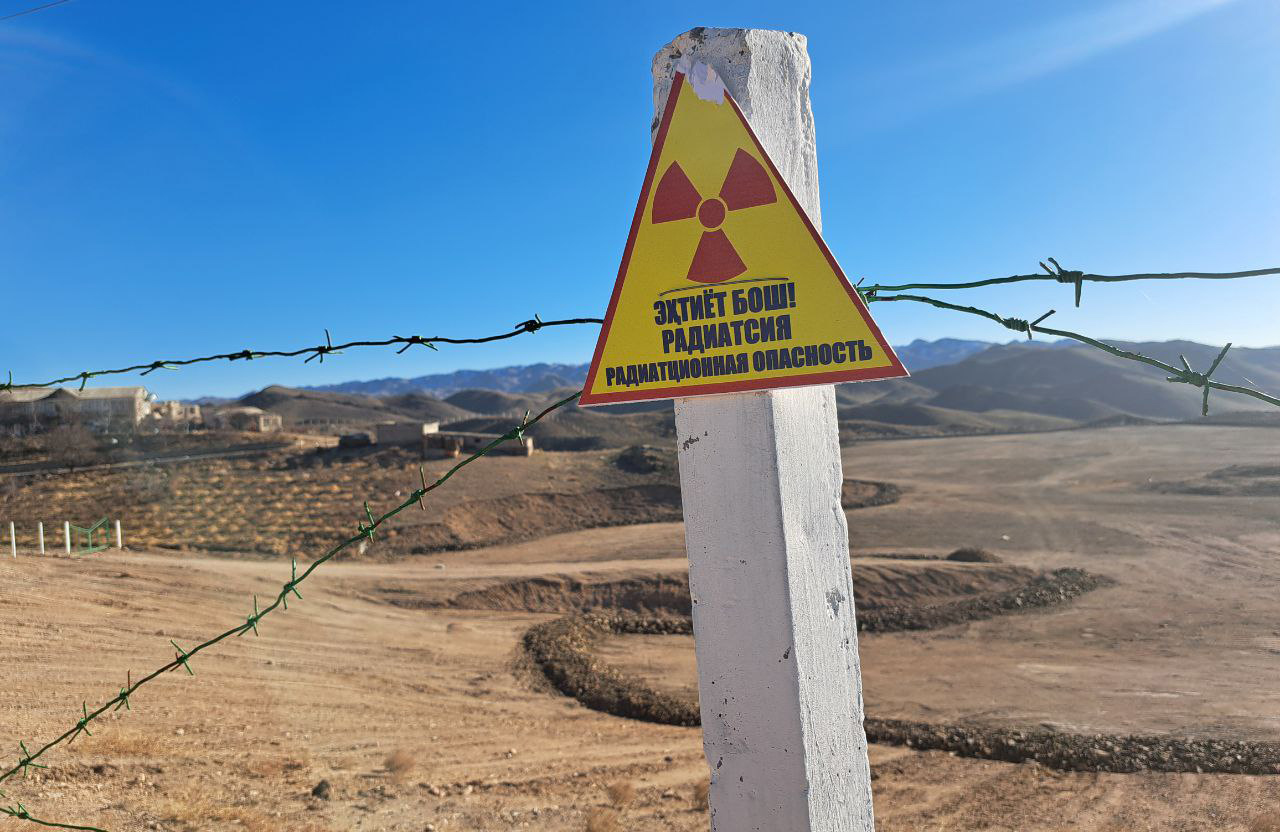
Almost every second cancer patient in Tajikistan lives in the Sughd province, where the main part of the country’s uranium legacy is concentrated. Many tailings storage facilities are located near populated areas.
Amid climate change, which enhances the transfer of pollutants through water, soil, and dust, this issue is becoming increasingly relevant.
Tajikistan’s uranium legacyThe uranium industry in Tajikistan began to develop in the mid-1940s when the Soviet Union was actively creating its own atomic program. Uranium ore deposits were discovered in the north of the country, around which mines, processing plants, and entire industrial cities were built.
The center of this industry was the Leninabad Mining and Chemical Combine, located in Chkalovsk (now Buston). Uranium ore was delivered here not only from Tajikistan but also from other regions of the USSR.
After processing the ore, large volumes of waste, known as tailings, remained. These were stored in special facilities where radioactive materials accumulated over decades.
After the collapse of the Soviet Union, uranium mining in Tajikistan ceased, but the tailings storage facilities remained. Today, they are considered part of the so-called uranium legacy of Central Asia.
Комментарии (0)