How to tame snow avalanches: how many houses and roads in Tajikistan are at risk?
In High Mountain Asia, including Tajikistan, avalanches pose a serious threat to 20% of buildings and annually block 22% of roads. Throughout High Mountain Asia, only 15% of the studied watersheds showed a slight annual increase in the number of avalanches.
Recently, a study titled «Long-term Trends of Snow Avalanches in High Mountain Asia: Climatic Factors and Consequences» was published in the Earth’s Future journal. It represents the first of its kind regional assessment of vulnerability to snow avalanches for all mountainous settlements, roads, buildings, and agricultural lands in High Mountain Asia, covering the area from Central Asia to the Himalayas.
The obtained data can significantly enhance infrastructure resilience and improve sustainable development planning in the country’s mountainous regions.
Dr. Arno Kaiser, a scientist at the University of Central Asia (UCA) and the study’s lead author, shared the key findings of the research in an exclusive interview with «Asia-Plus.»
How satellite images help in avalanche mapping
Research on snow avalanches in the high mountain regions of Asia became possible thanks to a combination of field expeditions and satellite data. Arno Kaiser spoke about the significance of this work and the challenges the team faced.«When I started working at UCA five years ago, I traveled around Tajikistan and became interested in avalanches,» he says.
During these trips, expeditions were organized in high-risk areas, which became the foundation of the study.
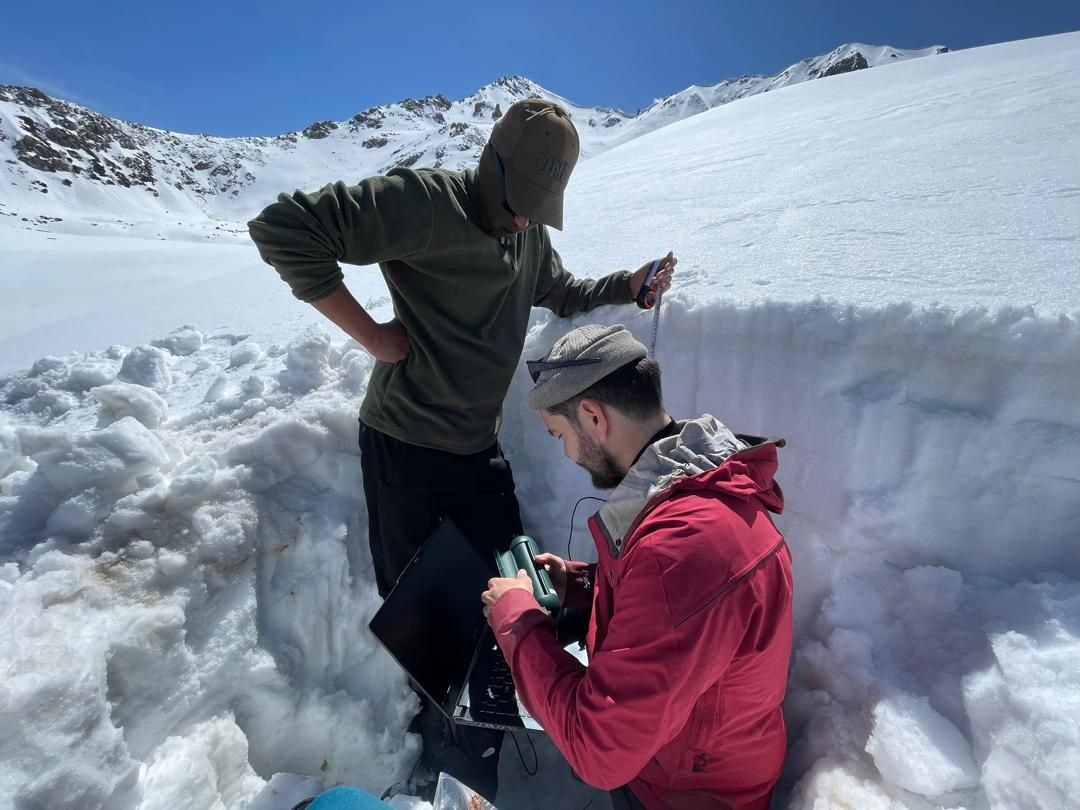
The work took place in challenging conditions — in hard-to-reach areas without roads, at altitudes over 4000 meters, and in avalanche-prone zones. But the team was well-prepared, and the research proceeded without incidents.
Комментарии (0)