Facial recognition cameras are being tested in Tashkent schools
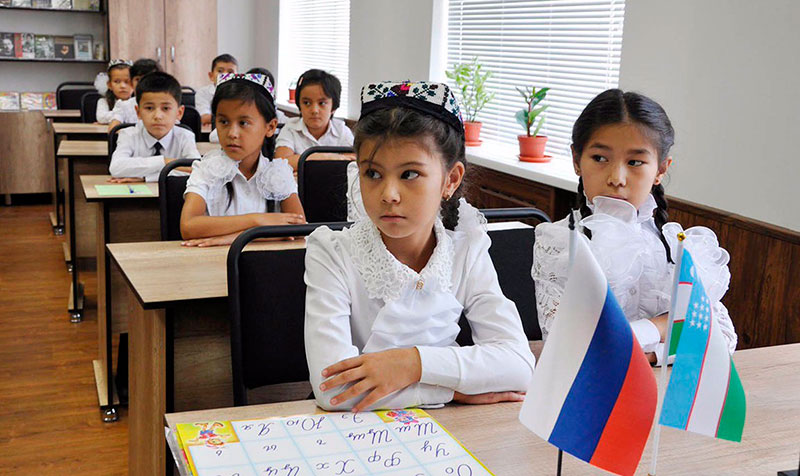
In a number of schools in Tashkent, «smart» cameras with facial recognition functions have begun to be tested to record student attendance, according to Kun.uz. After discussions on social media, the Ministry of Preschool and School Education confirmed the launch of the project.
Currently, attendance is already recorded by class teachers through the «e-maktab» platform, but the new cameras are intended to be used as an additional control tool.
At the same time, parents are promised access to real-time video surveillance. In cases of systematic absence from classes without a valid reason, parents may be held responsible — in accordance with Article 47 of the Code of Administrative Responsibility, Fergana reports.
The initiative raises questions from a legal point of view. The Law «On Personal Data» (No. ZRU-547 of July 2, 2019) allows for the processing of biometric data, including facial images, only with the explicit consent of the subject. Amendments adopted in March 2026 require such data to be stored within the country, but do not negate the need for consent. However, official statements do not specify whether permission was obtained from parents or legal representatives of the children.
Additional doubts are related to the absence of clear regulations in the national legislation governing video surveillance: there is no obligation to notify about filming, and the concept of «public place» is not defined.
Overall, the situation demonstrates how administrative decisions can outpace the development of legal mechanisms. It involves the collection of biometric data of minors without a transparent consent procedure, without clear rules for storage and access to information, and without open public discussion.
Meanwhile, the stated goals — enhancing safety and controlling attendance — are accompanied by the expansion of digital surveillance, the consequences of which remain not fully determined.
Currently, attendance is already recorded by class teachers through the «e-maktab» platform, but the new cameras are intended to be used as an additional control tool.
At the same time, parents are promised access to real-time video surveillance. In cases of systematic absence from classes without a valid reason, parents may be held responsible — in accordance with Article 47 of the Code of Administrative Responsibility, Fergana reports.
The initiative raises questions from a legal point of view. The Law «On Personal Data» (No. ZRU-547 of July 2, 2019) allows for the processing of biometric data, including facial images, only with the explicit consent of the subject. Amendments adopted in March 2026 require such data to be stored within the country, but do not negate the need for consent. However, official statements do not specify whether permission was obtained from parents or legal representatives of the children.
Additional doubts are related to the absence of clear regulations in the national legislation governing video surveillance: there is no obligation to notify about filming, and the concept of «public place» is not defined.
Overall, the situation demonstrates how administrative decisions can outpace the development of legal mechanisms. It involves the collection of biometric data of minors without a transparent consent procedure, without clear rules for storage and access to information, and without open public discussion.
Meanwhile, the stated goals — enhancing safety and controlling attendance — are accompanied by the expansion of digital surveillance, the consequences of which remain not fully determined.
Комментарии (0)