Climate risks threaten food security in Central Asia – FAO
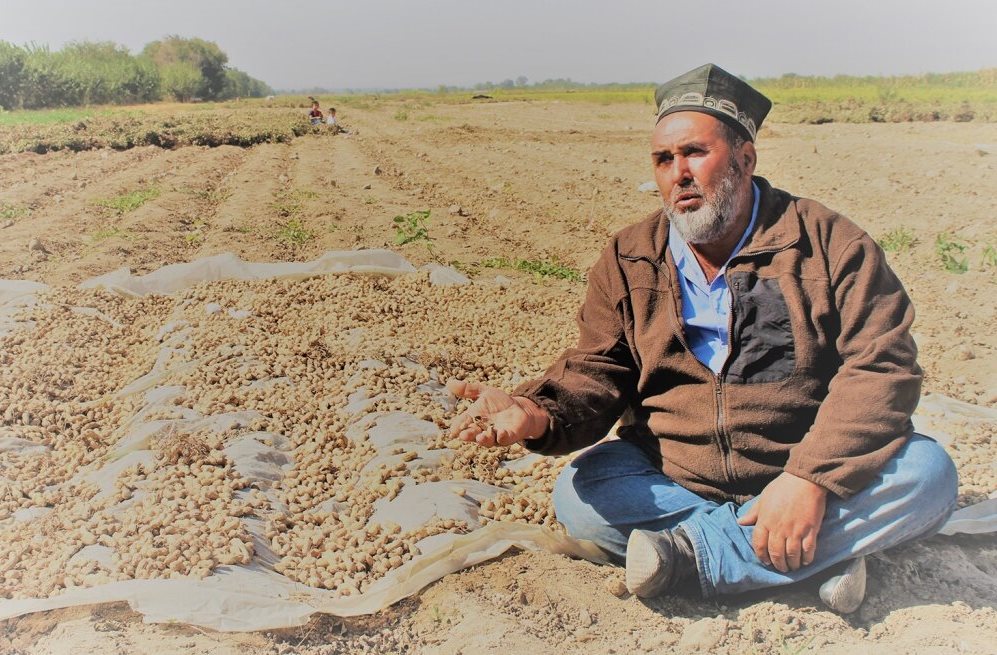
Climate change, biodiversity loss, and land degradation are increasing pressure on agri-food systems in Europe and Central Asia. This was discussed in Dushanbe at the side events of the 35th FAO Regional Conference for Europe (ERC35) in Dushanbe on May 12.
In 2023, about 24.5 million people in Europe and Central Asia faced severe food insecurity. In 2022, 64.3 million people in the region could not afford a healthy diet.
According to FAO data, about 28% of assessed endemic species in Europe and Central Asia are at risk of extinction. In Central Asia, 15% of the population lacks access to safe drinking water.
The conference is taking place in Dushanbe from May 11 to 15. Its participants are discussing that the region is not facing isolated environmental problems but an interconnected crisis. Climate change intensifies droughts, heatwaves, and floods. Land degradation reduces agricultural productivity. Biodiversity loss weakens natural systems on which farmers, livestock breeders, and rural communities depend.
Who is most vulnerableThe event paid special attention to rural communities. Among the most vulnerable groups identified were small farmers, livestock breeders, women, and youth.
These groups often depend on the condition of the land, access to water, agricultural sustainability, and the ability to access technology, financing, and support. Limited access to production resources and social protection reduces their ability to adapt to climate and economic shocks.
What is happening to agricultureThe region’s agri-food systems depend on the condition of soil, water, climate, and biodiversity. When these resources are depleted, food production, rural incomes, and the resilience of the entire system suffer.
FAO notes that high dependence on external resources increases the strain on nature. Nitrogen and phosphorus inputs exceed the natural environment’s capacity to absorb them by 30-50%. This deteriorates soil quality, reduces organic carbon content, intensifies water scarcity, and leads to further biodiversity loss.
In 2023, about 24.5 million people in Europe and Central Asia faced severe food insecurity. In 2022, 64.3 million people in the region could not afford a healthy diet.
According to FAO data, about 28% of assessed endemic species in Europe and Central Asia are at risk of extinction. In Central Asia, 15% of the population lacks access to safe drinking water.
The conference is taking place in Dushanbe from May 11 to 15. Its participants are discussing that the region is not facing isolated environmental problems but an interconnected crisis. Climate change intensifies droughts, heatwaves, and floods. Land degradation reduces agricultural productivity. Biodiversity loss weakens natural systems on which farmers, livestock breeders, and rural communities depend.
Who is most vulnerableThe event paid special attention to rural communities. Among the most vulnerable groups identified were small farmers, livestock breeders, women, and youth.
These groups often depend on the condition of the land, access to water, agricultural sustainability, and the ability to access technology, financing, and support. Limited access to production resources and social protection reduces their ability to adapt to climate and economic shocks.
What is happening to agricultureThe region’s agri-food systems depend on the condition of soil, water, climate, and biodiversity. When these resources are depleted, food production, rural incomes, and the resilience of the entire system suffer.
FAO notes that high dependence on external resources increases the strain on nature. Nitrogen and phosphorus inputs exceed the natural environment’s capacity to absorb them by 30-50%. This deteriorates soil quality, reduces organic carbon content, intensifies water scarcity, and leads to further biodiversity loss.
Комментарии (0)