Hajj 2026: what restrictions has Saudi Arabia imposed?
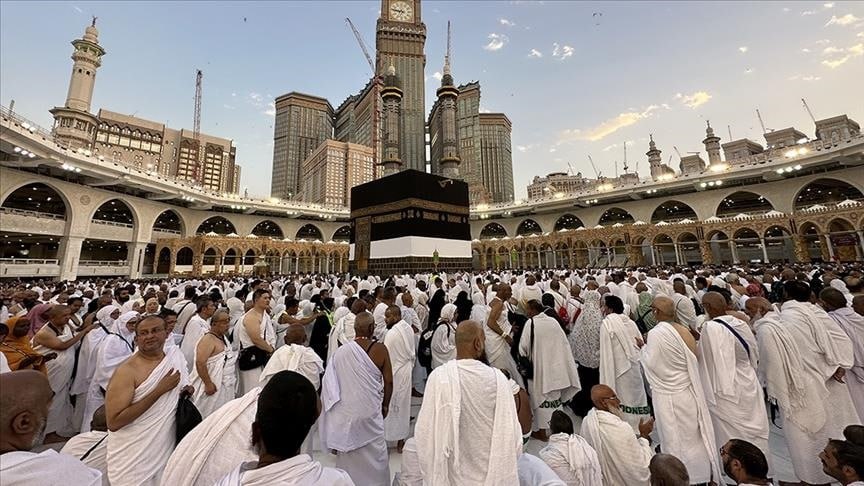
The mandatory Hajj season for 2026 has already begun, and there is less than a month left until Eid al-Adha, which is the main day for performing one of the five pillars of Islam. According toTajikistan’s grand mufti, the holiday will most likely fall on May 27, and the first group of pilgrims from Tajikistan will depart for the holy cities tomorrow, May 6.
However, Saudi Arabia is conducting this Hajj season under the strictest control system in its history.
After more than 1300 people, mostly pilgrims without permits, died due to 50-degree heat in 2024, the authorities significantly tightened restrictions, fines, and technological control.
In this material, we have compiled all the current restrictions that pilgrims from Tajikistan need to be aware of.
Section 1: documents required for a pilgrim– What documents are mandatory for a pilgrim?
International travel passport. The passport must be valid for at least 6 months after the return date. If this condition is not met, the visa will be denied. All passport data — name, date of birth, passport number — must fully match with other documents. Any discrepancy may lead to a visa refusal.
Hajj visa. Only a special Hajj visa is accepted for performing Hajj. A tourist, Umrah, or business visa is not acceptable for Hajj, even if the person is already in Saudi Arabia. For citizens of Tajikistan, the visa is issued through the Committee on Religious Affairs and Regulation of Rituals.
«Nusuk» card — mandatory requirement. The «Nusuk» card is the only document confirming the pilgrim’s identity and their legal right to perform Hajj within Saudi Arabia. The pilgrim must have it with them from arrival to departure.
Medical certificate. A mandatory medical declaration confirming the absence of prohibited diseases and the ability to walk up to 25 km per day is required. The certificate must be issued by a medical institution designated by the Committee on Religious Affairs and Regulation of Rituals.
«Nusuk» application on the phone. Only users of the «Nusuk» application can obtain permission to enter Masjid al-Haram. Without it, many services are unavailable, including visiting the Prophet’s Rawdah, bus transportation, and medical assistance.
Round-Trip Ticket. The ticket must contain the exact return date. After completing the rituals or visiting Mecca, Medina, and Jeddah, pilgrims are required to leave Saudi Arabia. For early return in emergency cases, permission from the Ministry of Hajj and Umrah of Saudi Arabia is required.
Section 2: Restrictions on entering Mecca.
From what time are the gates of Mecca closed to everyone and who can enter?
— Since April 13 of the current year, entry to the city of Mecca is possible only with a special permit. Only those with official residence permits in Mecca, holders of official Hajj permissions, and employees with electronic work permits issued through the «Tasrih», «Absher Afrad», and «Bawaba Muqim» systems can enter the city.
— Did the restrictions become even stricter from April 18?
— Pilgrims who were already in the country on an Umrah visa were required to leave Mecca. During this period — from April 18 to May 31 — the issuance of permits for performing Umrah is also temporarily suspended.
— Is it possible to travel to holy places in a personal vehicle?
— During the Hajj period, there are strict restrictions on the use of personal transport. Pilgrims are advised to use public transport, such as taxis, buses, and the railway between the two holy cities.
Section 3: medical and age restrictions– Who is not allowed to go on Hajj?
— Performing Hajj is not allowed for pilgrims with the following diseases:
Severe renal failure. People requiring hemodialysis cannot go on Hajj, as there are no conditions for treatment in the holy places. Severe heart and kidney diseases pose a serious threat to pilgrims due to extreme heat and long walking distances during Hajj.
Chronic lung diseases requiring constant oxygen use, as well as advanced liver cirrhosis, are also contraindications.
Severe neurological and mental illnesses, such as Parkinson’s disease, Alzheimer’s disease, and severe mental disorders, deprive a person of the ability to perform rituals independently or move in crowded places.
Active tuberculosis, as well as high-risk pregnancy, are grounds for prohibition from participating in Hajj. Women in the last two months of pregnancy are also not allowed to perform Hajj.– Are there age restrictions?
— According to Islamic requirements, a pilgrim must be at least 12 years old, i.e., reach puberty. For persons aged 65 and older, accompaniment by another person is recommended. The maximum age is not officially set, but an additional medical examination is required.
This requirement does not apply to working groups — doctors and escorts (guides). Also, this restriction only concerns Hajj. Citizens can travel for Umrah at any age, as there are no age restrictions for it.
However, Saudi Arabia is conducting this Hajj season under the strictest control system in its history.
After more than 1300 people, mostly pilgrims without permits, died due to 50-degree heat in 2024, the authorities significantly tightened restrictions, fines, and technological control.
In this material, we have compiled all the current restrictions that pilgrims from Tajikistan need to be aware of.
Section 1: documents required for a pilgrim– What documents are mandatory for a pilgrim?
International travel passport. The passport must be valid for at least 6 months after the return date. If this condition is not met, the visa will be denied. All passport data — name, date of birth, passport number — must fully match with other documents. Any discrepancy may lead to a visa refusal.
Hajj visa. Only a special Hajj visa is accepted for performing Hajj. A tourist, Umrah, or business visa is not acceptable for Hajj, even if the person is already in Saudi Arabia. For citizens of Tajikistan, the visa is issued through the Committee on Religious Affairs and Regulation of Rituals.
«Nusuk» card — mandatory requirement. The «Nusuk» card is the only document confirming the pilgrim’s identity and their legal right to perform Hajj within Saudi Arabia. The pilgrim must have it with them from arrival to departure.
Those without a «Nusuk» card may be fined, denied services, or even detained by Saudi authorities. The card contains personal, medical data, and residence address, and is also used for access to transport, navigation in crowded places, and other services.Vaccination certificate (yellow card). Vaccination against meningitis ACYW is mandatory for all pilgrims over one year old. The vaccination must be done at least 10 days before arrival in Saudi Arabia. The certificate must be uploaded to the «Nusuk» application and also be in paper form. Without it, entry into the country is prohibited.
Medical certificate. A mandatory medical declaration confirming the absence of prohibited diseases and the ability to walk up to 25 km per day is required. The certificate must be issued by a medical institution designated by the Committee on Religious Affairs and Regulation of Rituals.
«Nusuk» application on the phone. Only users of the «Nusuk» application can obtain permission to enter Masjid al-Haram. Without it, many services are unavailable, including visiting the Prophet’s Rawdah, bus transportation, and medical assistance.
Round-Trip Ticket. The ticket must contain the exact return date. After completing the rituals or visiting Mecca, Medina, and Jeddah, pilgrims are required to leave Saudi Arabia. For early return in emergency cases, permission from the Ministry of Hajj and Umrah of Saudi Arabia is required.
Section 2: Restrictions on entering Mecca.
From what time are the gates of Mecca closed to everyone and who can enter?
— Since April 13 of the current year, entry to the city of Mecca is possible only with a special permit. Only those with official residence permits in Mecca, holders of official Hajj permissions, and employees with electronic work permits issued through the «Tasrih», «Absher Afrad», and «Bawaba Muqim» systems can enter the city.
— Did the restrictions become even stricter from April 18?
— Yes. From April 18, the restrictions were further tightened: entry and stay in Mecca are completely prohibited for all holders of any visas, except for the Hajj visa. This means that even a person with a tourist visa in Saudi Arabia cannot enter Mecca.— Where did the Umrah pilgrims go?
— Pilgrims who were already in the country on an Umrah visa were required to leave Mecca. During this period — from April 18 to May 31 — the issuance of permits for performing Umrah is also temporarily suspended.
— Is it possible to travel to holy places in a personal vehicle?
— During the Hajj period, there are strict restrictions on the use of personal transport. Pilgrims are advised to use public transport, such as taxis, buses, and the railway between the two holy cities.
Section 3: medical and age restrictions– Who is not allowed to go on Hajj?
— Performing Hajj is not allowed for pilgrims with the following diseases:
Severe renal failure. People requiring hemodialysis cannot go on Hajj, as there are no conditions for treatment in the holy places. Severe heart and kidney diseases pose a serious threat to pilgrims due to extreme heat and long walking distances during Hajj.
Chronic lung diseases requiring constant oxygen use, as well as advanced liver cirrhosis, are also contraindications.
Severe neurological and mental illnesses, such as Parkinson’s disease, Alzheimer’s disease, and severe mental disorders, deprive a person of the ability to perform rituals independently or move in crowded places.
Active tuberculosis, as well as high-risk pregnancy, are grounds for prohibition from participating in Hajj. Women in the last two months of pregnancy are also not allowed to perform Hajj.– Are there age restrictions?
— According to Islamic requirements, a pilgrim must be at least 12 years old, i.e., reach puberty. For persons aged 65 and older, accompaniment by another person is recommended. The maximum age is not officially set, but an additional medical examination is required.
This requirement does not apply to working groups — doctors and escorts (guides). Also, this restriction only concerns Hajj. Citizens can travel for Umrah at any age, as there are no age restrictions for it.
Комментарии (0)