The growing water shortage and threats to Central Asian agriculture discussed in Dushanbe
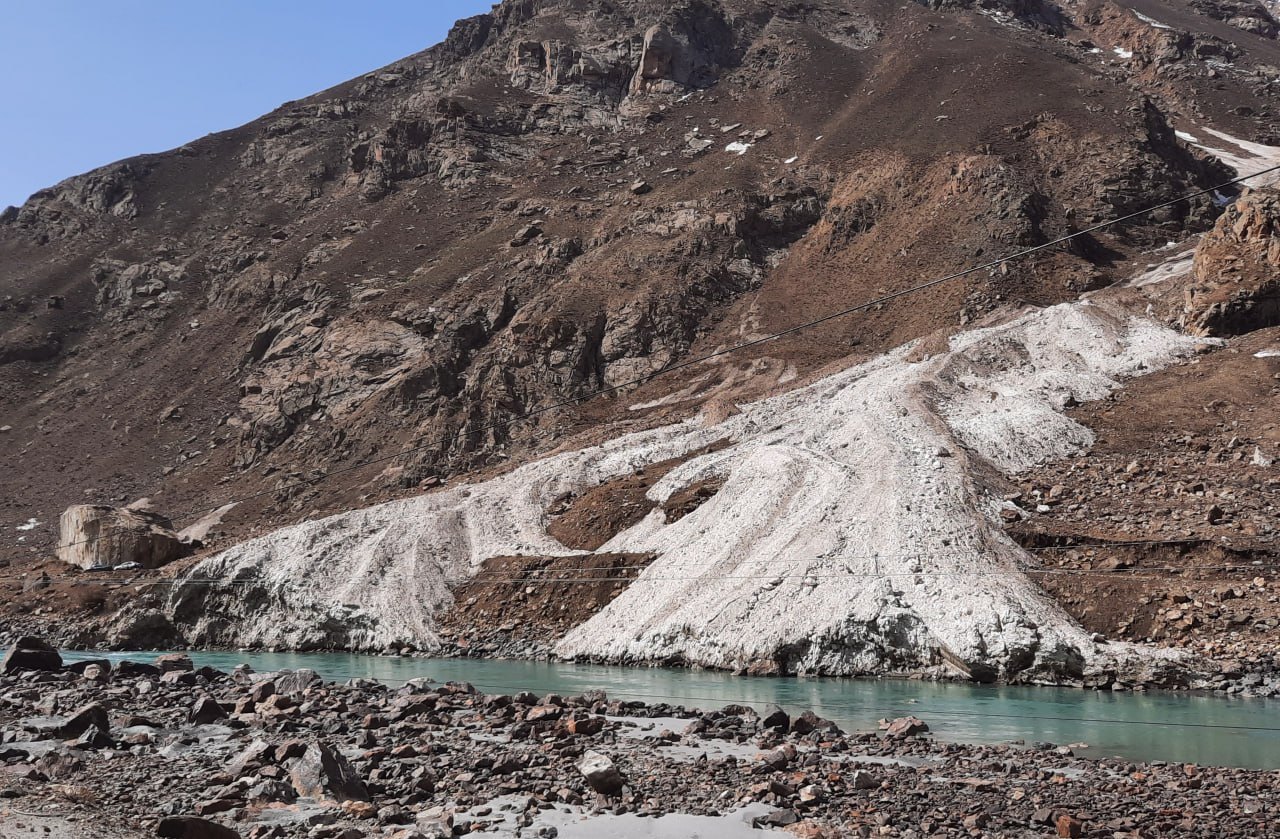
Agriculture accounts for 51% of total freshwater withdrawal in Europe and Central Asia, and in the region’s countries excluding high-income states, it is 77%. In Central Asia, about 80% of the used water is directed towards irrigation, while the region’s glaciers have shrunk by 20–30% over the past 50 years.
These facts were part of the discussion on May 13 in Dushanbe at a parallel event of the 35th FAO Regional Conference for Europe and Central Asia, dedicated to the interconnection of water resources, energy, food, and ecosystems.
Participants discussed how climate change, increasing water scarcity, outdated infrastructure, and competition between agriculture, energy, water management, and ecosystem protection affect the region’s food security.
The event’s materials emphasize that water resources, energy, food, and ecosystems are closely interconnected and form the basis of agri-food systems in Europe and Central Asia. Climate change, demographic pressure, infrastructure aging, and increasing intersectoral competition exacerbate resource shortages and force countries to seek compromise solutions.
These challenges are particularly acute in Central Asia. According to the Eurasian Development Bank (EDB), water availability per capita in the region has almost halved compared to the Soviet period — from 3,500 to 1,712 cubic meters in 2020.
Special attention was paid to the deterioration of water quality. The event’s materials state that pollution, wastewater discharge, and agricultural runoff increasingly affect water security, ecosystem health, and agricultural productivity.
For Central Asia, this problem is related not only to water scarcity but also to infrastructure conditions.
According to the Eurasian Development Bank, 9.9 million people, or 13,5% of the region’s population, do not have access to safe drinking water.
Agriculture remains the largest water consumer in many countries of the region. Irrigated farming in Central Asia is particularly vulnerable, affected by glacier reduction, transboundary water resource regulation, and competition from hydropower.
Комментарии (0)