What the Power of Siberia 2 Deal Really Means for Russia and China
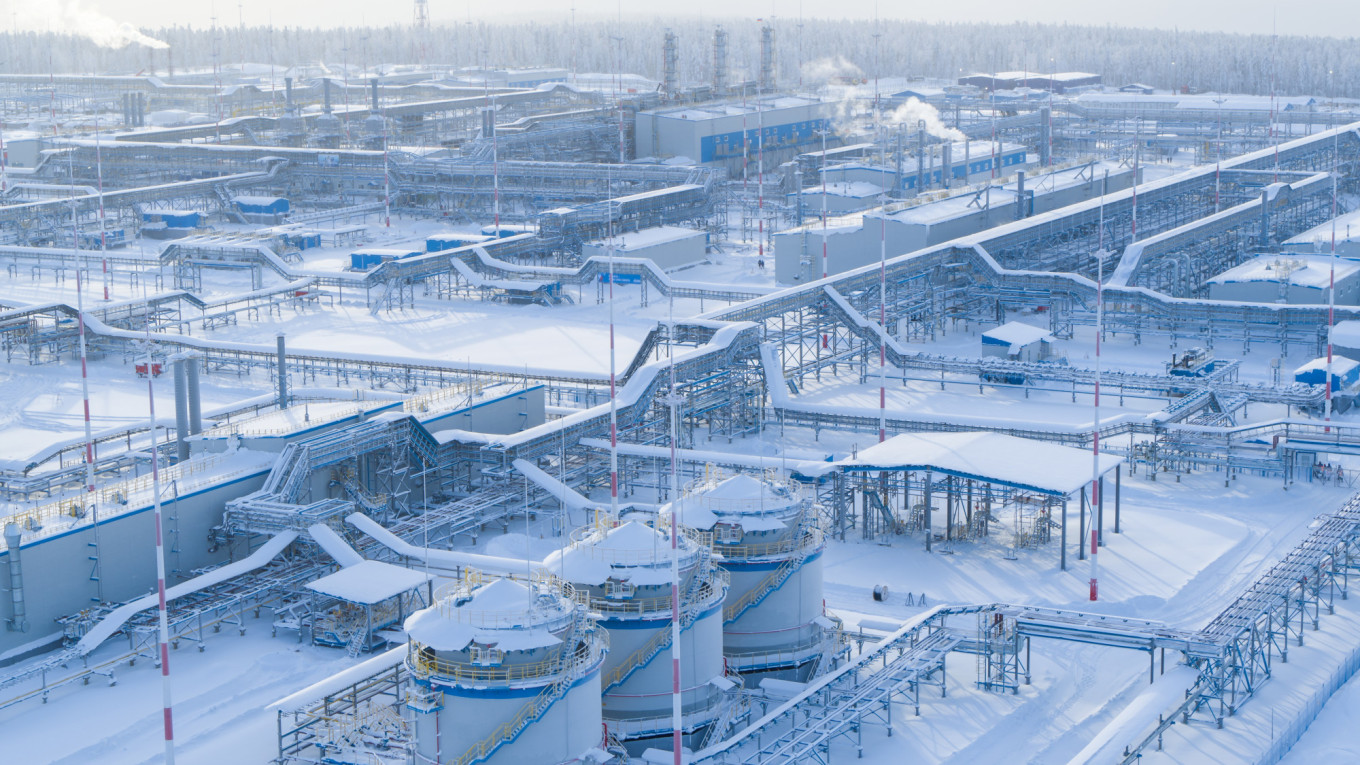
Moscow and Beijing on Tuesday reached an agreement to build Power of Siberia 2, a long-delayed pipeline to supply Russian gas to China.
If completed, it would provide China with a safeguard against geopolitical risks while giving Russia a crucial market for gas exports after the loss of Western buyers after the invasion of Ukraine.
What do we know? Gazprom CEO Alexei Miller announced Tuesday that the Russian company and China’s CNPC had signed a «legally binding» memorandum to build the Power of Siberia 2 gas pipeline to China.
The project, under development since 2020, will transport gas from western Siberian reserves to China via Mongolia.
The announcement is seen as a political win for the Kremlin, underscoring both countries’ commitment to deepen ties amid stagnant bilateral trade and past quarrels over the pipeline’s terms.
«The construction of the Power of Siberia 2 gas pipeline, the Soyuz Vostok transit pipeline through Mongolia and the related gas transportation facilities in China will now be the largest, most extensive and most capital-intensive project in the global gas industry,» Miller boasted.
Power of Siberia 2 will add 50 billion cubic meters of export capacity per year to Russia’s pipeline network, supplementing the 38 billion cubic meters currently shipped through the original Power of Siberia line from eastern Siberia.
Miller said Gazprom could deliver gas via the new route for up to 30 years.
What do we not know yet? Although the project has ostensibly been green-lighted, several uncertainties remain. Official contracts for the pipeline have yet to be signed.
First, it is not yet clear whether China will commit to fixed volumes or take delivery on more flexible terms.
Second, Gazprom did not disclose the exact price for the supplies, saying only that it would be lower than what Russia currently charges European buyers.
Third, Moscow has yet to announce a construction schedule or its official cost. Estimates for the price tag range from 13.6 $ billion to 34 $ billion.
If completed, it would provide China with a safeguard against geopolitical risks while giving Russia a crucial market for gas exports after the loss of Western buyers after the invasion of Ukraine.
What do we know? Gazprom CEO Alexei Miller announced Tuesday that the Russian company and China’s CNPC had signed a «legally binding» memorandum to build the Power of Siberia 2 gas pipeline to China.
The project, under development since 2020, will transport gas from western Siberian reserves to China via Mongolia.
The announcement is seen as a political win for the Kremlin, underscoring both countries’ commitment to deepen ties amid stagnant bilateral trade and past quarrels over the pipeline’s terms.
«The construction of the Power of Siberia 2 gas pipeline, the Soyuz Vostok transit pipeline through Mongolia and the related gas transportation facilities in China will now be the largest, most extensive and most capital-intensive project in the global gas industry,» Miller boasted.
Power of Siberia 2 will add 50 billion cubic meters of export capacity per year to Russia’s pipeline network, supplementing the 38 billion cubic meters currently shipped through the original Power of Siberia line from eastern Siberia.
Miller said Gazprom could deliver gas via the new route for up to 30 years.
What do we not know yet? Although the project has ostensibly been green-lighted, several uncertainties remain. Official contracts for the pipeline have yet to be signed.
First, it is not yet clear whether China will commit to fixed volumes or take delivery on more flexible terms.
Second, Gazprom did not disclose the exact price for the supplies, saying only that it would be lower than what Russia currently charges European buyers.
Third, Moscow has yet to announce a construction schedule or its official cost. Estimates for the price tag range from 13.6 $ billion to 34 $ billion.
Комментарии (0)