OSCE: "The key indicator of reform in Tajikistan is public opinion about the police"
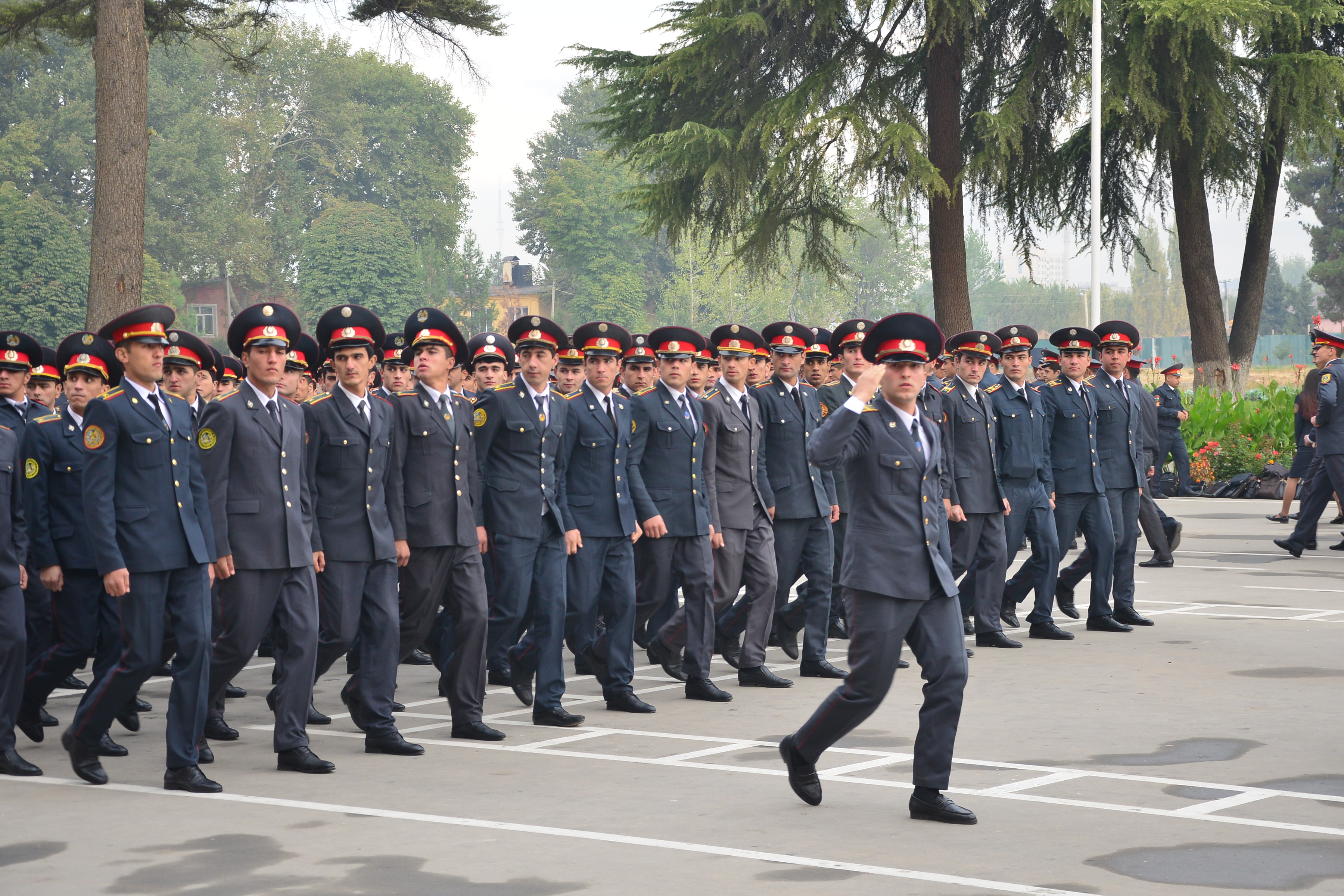
On November 10, Tajikistan celebrates Police Day, an occasion to reflect on the progress of police reforms in the country. The OSCE, one of the key international partners supporting this process, has been actively involved from the very beginning. In an interview with the OSCE Programme Office in Dushanbe, officials explained why the organization has supported these reforms, the role it plays, and how the success of these changes can be measured.
Why did the OSCE choose to support police reform in Tajikistan? In September 2007, the OSCE Bureau in Tajikistan (then known as the OSCE Office) received an official request from the government of Tajikistan for assistance in developing and reforming the country’s police force. In response, the OSCE organized a meeting in December 2007 between the Ambassador and the Minister of Internal Affairs to discuss cooperation on police reform.
The OSCE Programme Office’s mandate explicitly mentions that the Office provides «assistance in efforts to ensure the security and stability of the Republic of Tajikistan, particularly in the continuation of police reform.»
Challenges and problems identified at the start of the reform
In February 2008, following the government’s request, an OSCE assessment team visited Tajikistan to evaluate the police’s needs for development and reform. The report, based on the findings, outlined several key areas for attention.The main issues identified were:1. The reform of police education, which «traces its roots to Soviet times."2. Improving the interaction between the police and the public to increase trust in the police.3. Tackling corruption, as a 2010 sociological survey found that the police were among the most corrupt institutions in Tajikistan.4. Legislative changes, prioritizing human rights, with a focus on protecting citizens' rights.
OSCE’s approach and support
The OSCE’s participation in police reform aligns with its core values of human rights, the rule of law, and building trust between the state and citizens. In 2013, with direct involvement from OSCE experts, a Police Reform Strategy was developed, emphasizing the creation of a new public image for police officers—one that is free of corruption and dedicated to serving the public.The strategy also stresses the importance of human rights and the presumption of innocence as cornerstones of police work. This approach is fully in line with the OSCE’s democratic policing principles, focusing on building partnerships between the police and the public.
OSCE’s contribution to the reform
The OSCE has been involved in various aspects of the reform, including developing standards, providing training, offering technical assistance, and supporting civil society structures. The Programme Office has appointed a counter-terrorism advisor to work with law enforcement agencies on strengthening democratic policing practices.Some of the key initiatives supported by the OSCE include:· Enhancing police-community relationships through «community policing» concepts.·
Implementing «dual mirror» methods in investigative activities.
· Introducing mobile police reception units and electronic crime registration.
· Establishing public councils, now institutionalized in Tajikistan’s law on «Citizen Participation in Public Order Protection.»
These initiatives have led to significant results, including the establishment of 73 public councils and the introduction of regular reports by district police officers to the public. Additionally, mobile police receptions have been set up in remote areas, improving police accessibility.
Gender equality in police reform
A critical part of the police reform process has been promoting gender equality. Tajikistan’s National Development Strategy, which extends until 2030, emphasizes reducing gender inequality and ensuring equal opportunities for women. The OSCE has been active in supporting the creation of a Women’s Council within the Ministry of Internal Affairs, which advocates for the promotion of women and gender equality within the police force.The OSCE’s involvement has also included training for police officers on gender sensitivity, particularly in responding to domestic violence. The number of reported domestic violence cases has increased, reflecting both improved reporting mechanisms and a growing willingness to address these issues.
Remaining challenges and the path forward
Despite the progress, several challenges remain. The absence of a key «Police Law» that would outline the police’s functions, responsibilities, and accountability mechanisms is a significant obstacle. The lack of this legislation delays the implementation of further reforms and hampers the overall process.Another issue is the limited state funding for police reform. The OSCE experts noted that the fiscal model for reform still operates on outdated principles, lacking sufficient resources for sustained change.To ensure the long-term sustainability of reforms, the OSCE advocates for the adoption of key legislative acts, especially the Police Law, alongside adequate funding for these reforms.
Key indicator of success: public opinion
According to OSCE officials, the main indicator of the success of police reform in Tajikistan will be public opinion. Citizens must feel that the police «protect» them and trust the police to maintain safety. This is reflected in the ongoing development of the third phase of the Police Reform Program (2026-2030), which aims to create a modern, professional, transparent, and citizen-focused police force.The next stage of reforms will focus on institutional consolidation and improving police effectiveness in ensuring public safety and human rights.
Why did the OSCE choose to support police reform in Tajikistan? In September 2007, the OSCE Bureau in Tajikistan (then known as the OSCE Office) received an official request from the government of Tajikistan for assistance in developing and reforming the country’s police force. In response, the OSCE organized a meeting in December 2007 between the Ambassador and the Minister of Internal Affairs to discuss cooperation on police reform.
The OSCE Programme Office’s mandate explicitly mentions that the Office provides «assistance in efforts to ensure the security and stability of the Republic of Tajikistan, particularly in the continuation of police reform.»
Challenges and problems identified at the start of the reform
In February 2008, following the government’s request, an OSCE assessment team visited Tajikistan to evaluate the police’s needs for development and reform. The report, based on the findings, outlined several key areas for attention.The main issues identified were:1. The reform of police education, which «traces its roots to Soviet times."2. Improving the interaction between the police and the public to increase trust in the police.3. Tackling corruption, as a 2010 sociological survey found that the police were among the most corrupt institutions in Tajikistan.4. Legislative changes, prioritizing human rights, with a focus on protecting citizens' rights.
OSCE’s approach and support
The OSCE’s participation in police reform aligns with its core values of human rights, the rule of law, and building trust between the state and citizens. In 2013, with direct involvement from OSCE experts, a Police Reform Strategy was developed, emphasizing the creation of a new public image for police officers—one that is free of corruption and dedicated to serving the public.The strategy also stresses the importance of human rights and the presumption of innocence as cornerstones of police work. This approach is fully in line with the OSCE’s democratic policing principles, focusing on building partnerships between the police and the public.
OSCE’s contribution to the reform
The OSCE has been involved in various aspects of the reform, including developing standards, providing training, offering technical assistance, and supporting civil society structures. The Programme Office has appointed a counter-terrorism advisor to work with law enforcement agencies on strengthening democratic policing practices.Some of the key initiatives supported by the OSCE include:· Enhancing police-community relationships through «community policing» concepts.·
Implementing «dual mirror» methods in investigative activities.
· Introducing mobile police reception units and electronic crime registration.
· Establishing public councils, now institutionalized in Tajikistan’s law on «Citizen Participation in Public Order Protection.»
These initiatives have led to significant results, including the establishment of 73 public councils and the introduction of regular reports by district police officers to the public. Additionally, mobile police receptions have been set up in remote areas, improving police accessibility.
Gender equality in police reform
A critical part of the police reform process has been promoting gender equality. Tajikistan’s National Development Strategy, which extends until 2030, emphasizes reducing gender inequality and ensuring equal opportunities for women. The OSCE has been active in supporting the creation of a Women’s Council within the Ministry of Internal Affairs, which advocates for the promotion of women and gender equality within the police force.The OSCE’s involvement has also included training for police officers on gender sensitivity, particularly in responding to domestic violence. The number of reported domestic violence cases has increased, reflecting both improved reporting mechanisms and a growing willingness to address these issues.
Remaining challenges and the path forward
Despite the progress, several challenges remain. The absence of a key «Police Law» that would outline the police’s functions, responsibilities, and accountability mechanisms is a significant obstacle. The lack of this legislation delays the implementation of further reforms and hampers the overall process.Another issue is the limited state funding for police reform. The OSCE experts noted that the fiscal model for reform still operates on outdated principles, lacking sufficient resources for sustained change.To ensure the long-term sustainability of reforms, the OSCE advocates for the adoption of key legislative acts, especially the Police Law, alongside adequate funding for these reforms.
Key indicator of success: public opinion
According to OSCE officials, the main indicator of the success of police reform in Tajikistan will be public opinion. Citizens must feel that the police «protect» them and trust the police to maintain safety. This is reflected in the ongoing development of the third phase of the Police Reform Program (2026-2030), which aims to create a modern, professional, transparent, and citizen-focused police force.The next stage of reforms will focus on institutional consolidation and improving police effectiveness in ensuring public safety and human rights.
Комментарии (0)