Why Tajik beef costs more than imported — and how Belarusian & Kazakh beef taste
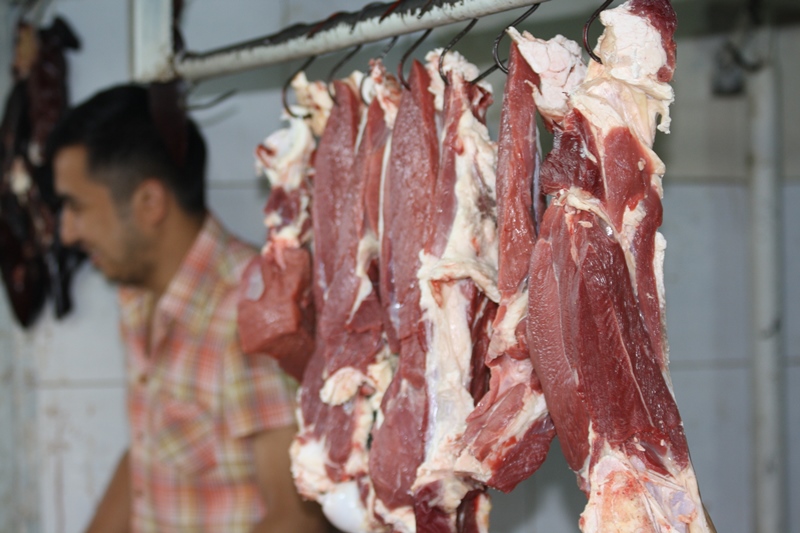
In Dushanbe, a kilogram of locally produced beef with bones has already exceeded 100 somonis, while a good quality boneless cut is priced at 120–145 somonis. Against this backdrop, the question arises: can cheaper meat from Belarus, Kazakhstan, Afghanistan, Pakistan and other countries genuinely help the market — and what is this imported product like in taste?
Imports don’t fill the gap
Experts estimate annual meat demand in Tajikistan at roughly 380–385 thousand tons, while national production of «net» meat (post‑slaughter, boneless) stands at only around 235–240 thousand tons — about 24 kg per person per year, versus a recommended 40.8 kg. In effect, only about 58 % of the normative consumption is covered.
Hence the logic behind import substitution efforts. In 2024 the country imported about 15.7 thousand tons of meat and meat products, including 8.7 thousand tons of meat and offal worth nearly 30 million USD. But these volumes represent only a few percent of total demand.
What exactly is imported beef?
Most «beef imports» are not premium steaks but rather live cattle (for breeding or slaughter), frozen blocks and cuts for further processing, and meat product preparations (canned meat, pâtés, etc.).
Major suppliers of live cattle include Russia, Belarus and Kazakhstan. Direct imports of frozen/beef cuts are limited.
Belarusian beef’s popularity
In recent years meat from Belarus has emerged as a symbol of «cheap import» in the Dushanbe market. On some markets, a kilo of Belarusian beef sells for 75–85 somonis, compared with about 90 somonis for local beef with bones, and 120–145 somonis for quality cuts.
According to the «Tajikstandard» agency, Belarusian meat imports serve to contain internal prices and low cost does not automatically signal hazard. Products undergo laboratory inspection. Belarus also supplies breeding cattle and veterinary drugs, and contracts are signed for chilled beef and canned meat.
Kazakhstan: a key supplier
Kazakhstan remains a major partner. In 2024 it exported to Tajikistan about 490 tons of beef worth 1.4 million USD and 1.3 thousand tons of other meat worth nearly 3.9 million USD. Kazakhstan accounts for about 60 % of beef imports and 88 % of poultry‑meat imports into Tajikistan. The import of live bulls is also active: on bazaars live weight is 55–60 somonis per kg; a 300‑kg bull fetches about 18 000 somonis. The «import, fatten, slaughter» model is seen as one of few effective ways to boost meat supply rapidly.
Afghanistan & Pakistan: live cattle under control
With Afghanistan often the discussion is about cheaper live cattle for border regions. Import of live animals is allowed with quarantine, tests and vaccination; direct import of Afghan meat and dairy remains banned for now due to limited veterinary guarantee. With Pakistan cooperation is mainly about breeding stock rather than mass frozen meat supplies. According to consumers, Pakistani beef is often used for mince and food services due to tougher texture and specific taste.
Who buys imported meat?
Typical buyers of cheap imported meat: canteens, low‑cost cafés and urban families seeking savings. For home consumption most families still prefer local meat — partly because 92 % of cattle and over 80 % of sheep/goats are kept in private households; people buy from trusted local butchers.
Taste & difference
Butchers and consumers alike say: imported beef tastes «different». This is explained by differences in fodder, pastures, animal husbandry, age and breed, and how meat is cooled and stored. Tajik cattle are traditionally pasture‑fed on natural grasslands; imported stock may be grain‑fed, intensive. Deep freezing can accentuate texture and flavor differences.
Consequently Belarusian and Kazakh beef is often used for dishes where meat flavor is less crucial — samosa, mince, shawarma — whereas for pilaf and traditional family meals local carcasses are preferred.
Is import safe?
Officially yes: imported meat meets safety standards. Belarusian products are inspected and deemed safe. Live cattle from Afghanistan are admitted only with quarantine. The greater risk lies not with origin but with domestic issues: broken cold chain, repeated freezing‑thawing, cost‑cutting on storage — factors that more strongly affect taste and safety than country of origin.
Import: many or few?
Even if shelves look full of imported meat, the numbers tell another story: total demand about 380–385 thousand tons; domestic «net» meat production ~235–240 thousand tons; and imports only ~15,000‑16,000 tons per year.
So imports cover only around 4‑6 % of demand by volume. We cannot expect imports to fully solve the high‐price issue.
Until fundamental issues are addressed — pastures, fodder, access to credit for farmers, predictable export policy, real livestock support — meat in Tajikistan will remain an expensive product. Imports provide a short‑term «breather», but the long‑term answer to «why is our meat so expensive?» lies not in imported carcasses, but in the country’s own farms, where livestock remains more of a labor of love than a profitable business.
Imports don’t fill the gap
Experts estimate annual meat demand in Tajikistan at roughly 380–385 thousand tons, while national production of «net» meat (post‑slaughter, boneless) stands at only around 235–240 thousand tons — about 24 kg per person per year, versus a recommended 40.8 kg. In effect, only about 58 % of the normative consumption is covered.
Hence the logic behind import substitution efforts. In 2024 the country imported about 15.7 thousand tons of meat and meat products, including 8.7 thousand tons of meat and offal worth nearly 30 million USD. But these volumes represent only a few percent of total demand.
What exactly is imported beef?
Most «beef imports» are not premium steaks but rather live cattle (for breeding or slaughter), frozen blocks and cuts for further processing, and meat product preparations (canned meat, pâtés, etc.).
Major suppliers of live cattle include Russia, Belarus and Kazakhstan. Direct imports of frozen/beef cuts are limited.
Belarusian beef’s popularity
In recent years meat from Belarus has emerged as a symbol of «cheap import» in the Dushanbe market. On some markets, a kilo of Belarusian beef sells for 75–85 somonis, compared with about 90 somonis for local beef with bones, and 120–145 somonis for quality cuts.
According to the «Tajikstandard» agency, Belarusian meat imports serve to contain internal prices and low cost does not automatically signal hazard. Products undergo laboratory inspection. Belarus also supplies breeding cattle and veterinary drugs, and contracts are signed for chilled beef and canned meat.
Kazakhstan: a key supplier
Kazakhstan remains a major partner. In 2024 it exported to Tajikistan about 490 tons of beef worth 1.4 million USD and 1.3 thousand tons of other meat worth nearly 3.9 million USD. Kazakhstan accounts for about 60 % of beef imports and 88 % of poultry‑meat imports into Tajikistan. The import of live bulls is also active: on bazaars live weight is 55–60 somonis per kg; a 300‑kg bull fetches about 18 000 somonis. The «import, fatten, slaughter» model is seen as one of few effective ways to boost meat supply rapidly.
Afghanistan & Pakistan: live cattle under control
With Afghanistan often the discussion is about cheaper live cattle for border regions. Import of live animals is allowed with quarantine, tests and vaccination; direct import of Afghan meat and dairy remains banned for now due to limited veterinary guarantee. With Pakistan cooperation is mainly about breeding stock rather than mass frozen meat supplies. According to consumers, Pakistani beef is often used for mince and food services due to tougher texture and specific taste.
Who buys imported meat?
Typical buyers of cheap imported meat: canteens, low‑cost cafés and urban families seeking savings. For home consumption most families still prefer local meat — partly because 92 % of cattle and over 80 % of sheep/goats are kept in private households; people buy from trusted local butchers.
Taste & difference
Butchers and consumers alike say: imported beef tastes «different». This is explained by differences in fodder, pastures, animal husbandry, age and breed, and how meat is cooled and stored. Tajik cattle are traditionally pasture‑fed on natural grasslands; imported stock may be grain‑fed, intensive. Deep freezing can accentuate texture and flavor differences.
Consequently Belarusian and Kazakh beef is often used for dishes where meat flavor is less crucial — samosa, mince, shawarma — whereas for pilaf and traditional family meals local carcasses are preferred.
Is import safe?
Officially yes: imported meat meets safety standards. Belarusian products are inspected and deemed safe. Live cattle from Afghanistan are admitted only with quarantine. The greater risk lies not with origin but with domestic issues: broken cold chain, repeated freezing‑thawing, cost‑cutting on storage — factors that more strongly affect taste and safety than country of origin.
Import: many or few?
Even if shelves look full of imported meat, the numbers tell another story: total demand about 380–385 thousand tons; domestic «net» meat production ~235–240 thousand tons; and imports only ~15,000‑16,000 tons per year.
So imports cover only around 4‑6 % of demand by volume. We cannot expect imports to fully solve the high‐price issue.
Until fundamental issues are addressed — pastures, fodder, access to credit for farmers, predictable export policy, real livestock support — meat in Tajikistan will remain an expensive product. Imports provide a short‑term «breather», but the long‑term answer to «why is our meat so expensive?» lies not in imported carcasses, but in the country’s own farms, where livestock remains more of a labor of love than a profitable business.
Комментарии (0)