Not just for “their own”: why it’s time for Tajikistan to allow non-related organ donation
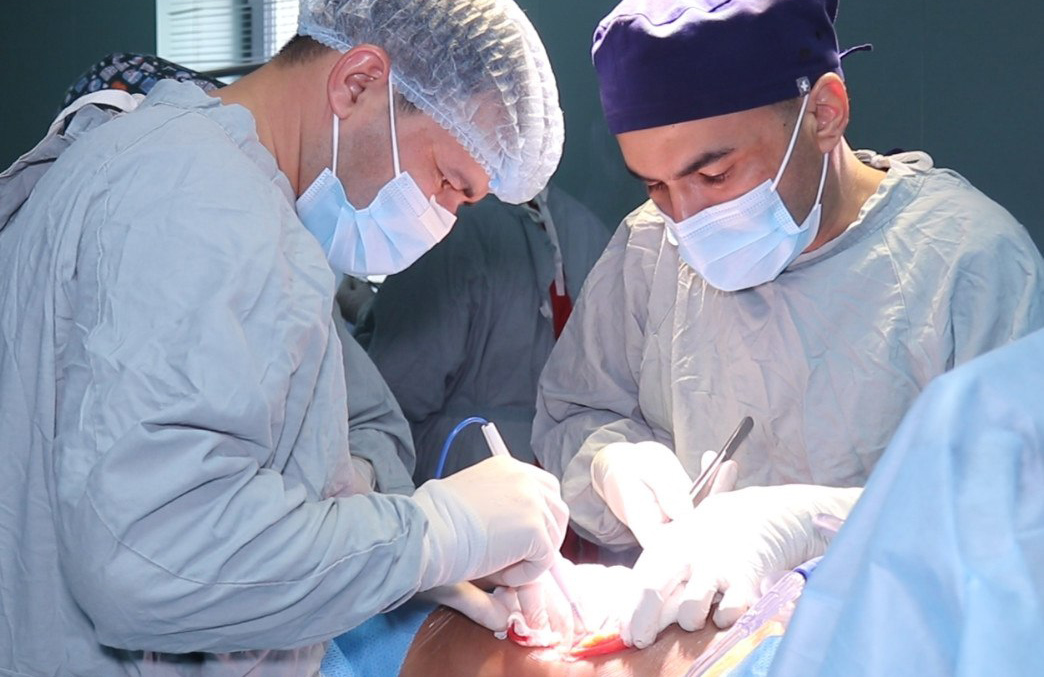
In Tajikistan, hundreds of people wait for organ transplants every year and never get them. And it’s not because the medical field isn’t ready or there aren’t specialists. The main problem is the lack of donors. Today, organs can only be transplanted from relatives. But what should those do who don’t have «suitable» relatives?
The reason to talk about this topic again was the February news about the arrest of suspects in Tashkent for organizing illegal organ trade.
According to the Ministry of Internal Affairs of Uzbekistan, a married couple was detained, who were looking for «clients» through social networks and were allegedly involved in conducting illegal kidney transplant operations. The agency stated that such operations were carried out at the Istiqlol clinic in Dushanbe.
In Tajikistan, this information was refuted. The National Scientific Center for Transplantation stated that all operations are carried out strictly according to the law: with verification of family ties, medical examination, commission decision, and mandatory approval by the Ministry of Health and Social Protection of the Population (MoHSPP)’s ethics committee.
But doesn’t the prohibition on donation from non-relatives lead to people starting to seek solutions outside the official system?
We turned to the country’s Ministry of Health for answers.
The medicine is ready, but the system is limitedThis spring, one of the most complex operations was performed in Dushanbe — a patient received a simultaneous kidney and pancreas transplant. The donor was his wife. And such cases are no longer rare for Tajik transplantation.
In recent years, this field has significantly developed in the country: specialized centers are operating, complex operations are carried out, and the number of transplants is increasing.
According to the MoHSPP, in 2025 alone, about 330 transplants were performed, including 222 kidney transplants and 108 liver transplants. At the same time, the demand remains significantly higher: annually more than 250 people need kidney transplants and over 150 need liver transplants.
The reason to talk about this topic again was the February news about the arrest of suspects in Tashkent for organizing illegal organ trade.
According to the Ministry of Internal Affairs of Uzbekistan, a married couple was detained, who were looking for «clients» through social networks and were allegedly involved in conducting illegal kidney transplant operations. The agency stated that such operations were carried out at the Istiqlol clinic in Dushanbe.
In Tajikistan, this information was refuted. The National Scientific Center for Transplantation stated that all operations are carried out strictly according to the law: with verification of family ties, medical examination, commission decision, and mandatory approval by the Ministry of Health and Social Protection of the Population (MoHSPP)’s ethics committee.
But doesn’t the prohibition on donation from non-relatives lead to people starting to seek solutions outside the official system?
We turned to the country’s Ministry of Health for answers.
The medicine is ready, but the system is limitedThis spring, one of the most complex operations was performed in Dushanbe — a patient received a simultaneous kidney and pancreas transplant. The donor was his wife. And such cases are no longer rare for Tajik transplantation.
In recent years, this field has significantly developed in the country: specialized centers are operating, complex operations are carried out, and the number of transplants is increasing.
According to the MoHSPP, in 2025 alone, about 330 transplants were performed, including 222 kidney transplants and 108 liver transplants. At the same time, the demand remains significantly higher: annually more than 250 people need kidney transplants and over 150 need liver transplants.
Комментарии (0)