Trump extends ceasefire in conflict with Iran
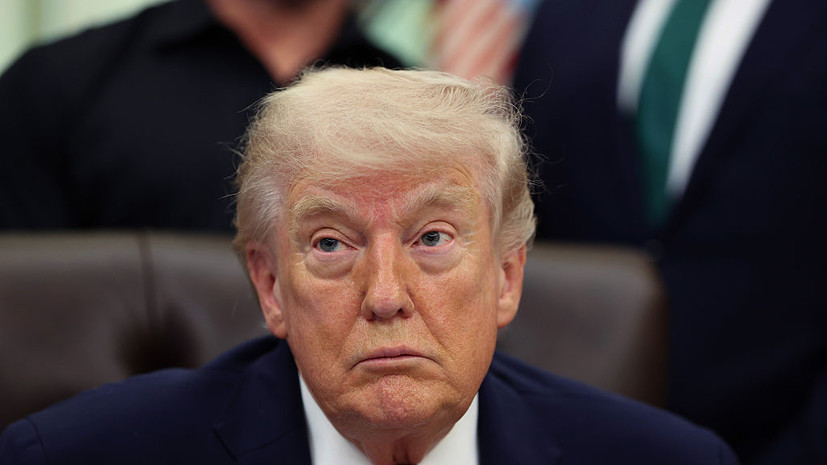
On Tuesday April 21, U.S. President Donald Trump announced the indefinite extension of the truce with Iran, which was set to expire on April 22. Meanwhile, the fate of the second round of U.S.-Iran talks in Islamabad remains uncertain. An advisor to the Iranian negotiating team described Trump’s statement as an attempt to buy time and distract attention ahead of a possible new attack.
Trump announced the extension of the ceasefire shortly before its expiration, which had been declared two weeks ago,reports the BBC.
According to him, the decision is related to disagreements within the Iranian leadership, as well as requests from Pakistan’s military and political leadership.
In a publication on Truth Social, he noted that the U.S. would halt strikes until the Iranian side presents a consolidated position. Meanwhile, the American military will continue the blockade of the Strait of Hormuz, which Tehran had previously called an «act of war.»
«I… will extend the ceasefire until their proposal is presented and discussions are concluded one way or another,» he wrote on Truth Social.Trump emphasized that the U.S. armed forces remain in full combat readiness and that the truce will only be in effect until the negotiations are completed or specific proposals are made by Iran.
Earlier that day, his stance was significantly tougher: on CNBC, he suggested the resumption of bombings, stating that he considered such a scenario the most effective and that the military was ready to act, notes the BBC.
Meanwhile, the prospect of new negotiations remains in questionEarlier, the media reported on a possible trip by U.S. Vice President J.D. Vance to Islamabad, where the first round of consultations already took place in November. However, following Trump’s statement, the White House confirmed the cancellation of the visit, promising to announce further decisions later.
According to Axios, Iran allegedly agreed to participate in the second round of talks, but Tehran has yet to confirm this information.
The Tasnim agency, associated with the Islamic Revolutionary Guard Corps, stated that Tehran did not request an extension of the ceasefire. Advisor to Parliament Speaker Mohammad-Bagher Ghalibaf, Mehdi Mohammadi, emphasized on social media that the U.S. President’s statements are not trustworthy.
He called Trump’s extension of the truce an attempt to buy time for a possible sudden strike. In a comment quoted by Reuters, Mohammadi also described the blockade of the Strait of Hormuz as a continuation of military aggression and stated that it was time for Iran to seize the initiative.Iranian Parliament Member Mahmoud Nabavian, who participated in the negotiations in Islamabad, wrote on social network X after Trump’s statement that further dialogue with the U.S. is becoming «harmful and irrational.»
In turn, a representative of the central headquarters of Iran’s Khatam al-Anbiya army warned: in the event of an attack, the armed forces would strike predetermined targets, promising a harsher response towards the U.S. and Israel.
Even before Trump’s statement, Iranian Foreign Ministry spokesperson Esmail Baghaei told the BBC that a decision on the Iranian delegation’s trip to Islamabad for a new round of talks with the U.S. had not yet been made. He reminded about the American blockade of the strait, the capture of an Iranian ship, and new threats from the U.S. President to destroy Iranian infrastructure.
«We went to these negotiations with good intentions and a serious attitude, but one of the parties demonstrated a lack of seriousness, bad faith,» Baghaei said. «They often change their position, these defections, threats of war crimes."He refused to answer the BBC’s question about what conditions Iran sets for returning to the negotiating table, stating that the issue is still under discussion.
Iranian Foreign Minister Abbas Araghchi wrote on X on Tuesday that the blockade of Iranian ports by the U.S. fleet is an «act of war and thus a violation of the ceasefire.»
«Attacking a merchant ship and taking its crew hostage is an even greater violation,» Araghchi stated.On Tuesday, the Pentagon stated that U.S. military personnel «without incident» boarded the sanctioned tanker Tifani as part of the naval blockade of Iran. On Sunday, the U.S. attacked another vessel that did not comply with the order to stop.
Trump announced the extension of the ceasefire shortly before its expiration, which had been declared two weeks ago,reports the BBC.
According to him, the decision is related to disagreements within the Iranian leadership, as well as requests from Pakistan’s military and political leadership.
In a publication on Truth Social, he noted that the U.S. would halt strikes until the Iranian side presents a consolidated position. Meanwhile, the American military will continue the blockade of the Strait of Hormuz, which Tehran had previously called an «act of war.»
«I… will extend the ceasefire until their proposal is presented and discussions are concluded one way or another,» he wrote on Truth Social.Trump emphasized that the U.S. armed forces remain in full combat readiness and that the truce will only be in effect until the negotiations are completed or specific proposals are made by Iran.
Earlier that day, his stance was significantly tougher: on CNBC, he suggested the resumption of bombings, stating that he considered such a scenario the most effective and that the military was ready to act, notes the BBC.
Meanwhile, the prospect of new negotiations remains in questionEarlier, the media reported on a possible trip by U.S. Vice President J.D. Vance to Islamabad, where the first round of consultations already took place in November. However, following Trump’s statement, the White House confirmed the cancellation of the visit, promising to announce further decisions later.
According to Axios, Iran allegedly agreed to participate in the second round of talks, but Tehran has yet to confirm this information.
The Tasnim agency, associated with the Islamic Revolutionary Guard Corps, stated that Tehran did not request an extension of the ceasefire. Advisor to Parliament Speaker Mohammad-Bagher Ghalibaf, Mehdi Mohammadi, emphasized on social media that the U.S. President’s statements are not trustworthy.
He called Trump’s extension of the truce an attempt to buy time for a possible sudden strike. In a comment quoted by Reuters, Mohammadi also described the blockade of the Strait of Hormuz as a continuation of military aggression and stated that it was time for Iran to seize the initiative.Iranian Parliament Member Mahmoud Nabavian, who participated in the negotiations in Islamabad, wrote on social network X after Trump’s statement that further dialogue with the U.S. is becoming «harmful and irrational.»
In turn, a representative of the central headquarters of Iran’s Khatam al-Anbiya army warned: in the event of an attack, the armed forces would strike predetermined targets, promising a harsher response towards the U.S. and Israel.
Even before Trump’s statement, Iranian Foreign Ministry spokesperson Esmail Baghaei told the BBC that a decision on the Iranian delegation’s trip to Islamabad for a new round of talks with the U.S. had not yet been made. He reminded about the American blockade of the strait, the capture of an Iranian ship, and new threats from the U.S. President to destroy Iranian infrastructure.
«We went to these negotiations with good intentions and a serious attitude, but one of the parties demonstrated a lack of seriousness, bad faith,» Baghaei said. «They often change their position, these defections, threats of war crimes."He refused to answer the BBC’s question about what conditions Iran sets for returning to the negotiating table, stating that the issue is still under discussion.
Iranian Foreign Minister Abbas Araghchi wrote on X on Tuesday that the blockade of Iranian ports by the U.S. fleet is an «act of war and thus a violation of the ceasefire.»
«Attacking a merchant ship and taking its crew hostage is an even greater violation,» Araghchi stated.On Tuesday, the Pentagon stated that U.S. military personnel «without incident» boarded the sanctioned tanker Tifani as part of the naval blockade of Iran. On Sunday, the U.S. attacked another vessel that did not comply with the order to stop.
Комментарии (0)