New Rules for the Crypto Market in Russia: What Changes and Why It Matters for Tajikistan
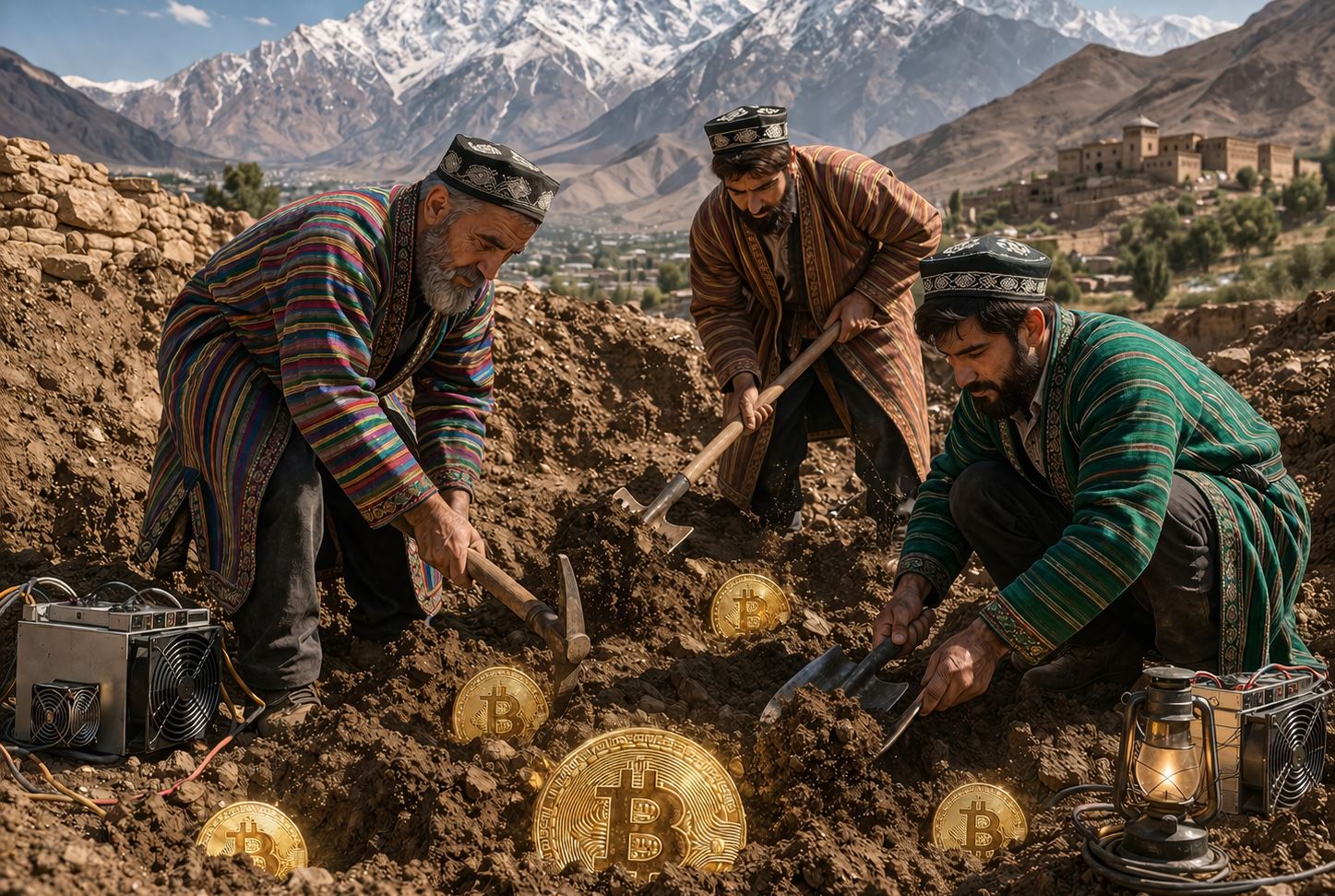
What is changing and why is it important for Tajikistan?Starting July 1, 2026, Russia seriously tackles cryptocurrencies. A law comes into effect aimed at bringing order to the market, which until now has been fraught with many gray schemes and minimal control.
The main goal is to stop «ignoring» the crypto market and bring it under state rules. Authorities openly say: it is about combating fraud, money laundering, and tax evasion, writes the National Banking Journal.
Under the new rules, there will be no more free crypto-wildness. Only those who have received permission will be able to operate. Trading is to be done through licensed exchanges, assets stored through special depositories, and exchanges made through companies from the official registry. Everything else is gradually being squeezed out of the market.
What exactly is changing?Cryptocurrency is recognized as property — like stocks or other assets. This provides protection for owners but does not make it full-fledged money: paying with crypto within Russia is still not allowed. However, it is permitted to use it in foreign trade.
Not every cryptocurrency will be listed on exchanges. Essentially, it is only about the largest ones — like Bitcoin and Ether. Smaller projects are likely to remain on the sidelines.
Why is this important for Tajikistan?The Russian cryptocurrency market is one of the largest in the region, and any changes in its regulation inevitably impact neighboring countries.
This is especially important for Tajikistan. A significant portion of its citizens work in Russia and send money home. If cryptocurrencies are used as an alternative method of remittance, new restrictions could affect these flows.
Moreover, with stricter rules, some operations might move to countries with more lenient regulations.
The main goal is to stop «ignoring» the crypto market and bring it under state rules. Authorities openly say: it is about combating fraud, money laundering, and tax evasion, writes the National Banking Journal.
Under the new rules, there will be no more free crypto-wildness. Only those who have received permission will be able to operate. Trading is to be done through licensed exchanges, assets stored through special depositories, and exchanges made through companies from the official registry. Everything else is gradually being squeezed out of the market.
What exactly is changing?Cryptocurrency is recognized as property — like stocks or other assets. This provides protection for owners but does not make it full-fledged money: paying with crypto within Russia is still not allowed. However, it is permitted to use it in foreign trade.
Not every cryptocurrency will be listed on exchanges. Essentially, it is only about the largest ones — like Bitcoin and Ether. Smaller projects are likely to remain on the sidelines.
Mining will be legalized but with conditions: registration is required, adherence to electricity limits, and no criminal record for certain articles. Illegal mining will result in criminal liability. Tax control is also being strengthened: Russians will be required to report foreign crypto wallets.Overall, the model becomes simple: cryptocurrency is allowed, but only within strict rules and under state control.
Why is this important for Tajikistan?The Russian cryptocurrency market is one of the largest in the region, and any changes in its regulation inevitably impact neighboring countries.
This is especially important for Tajikistan. A significant portion of its citizens work in Russia and send money home. If cryptocurrencies are used as an alternative method of remittance, new restrictions could affect these flows.
Moreover, with stricter rules, some operations might move to countries with more lenient regulations.
Комментарии (0)