What do Trump’s threats to bomb Iran desalination plants mean for rest of Mideast?
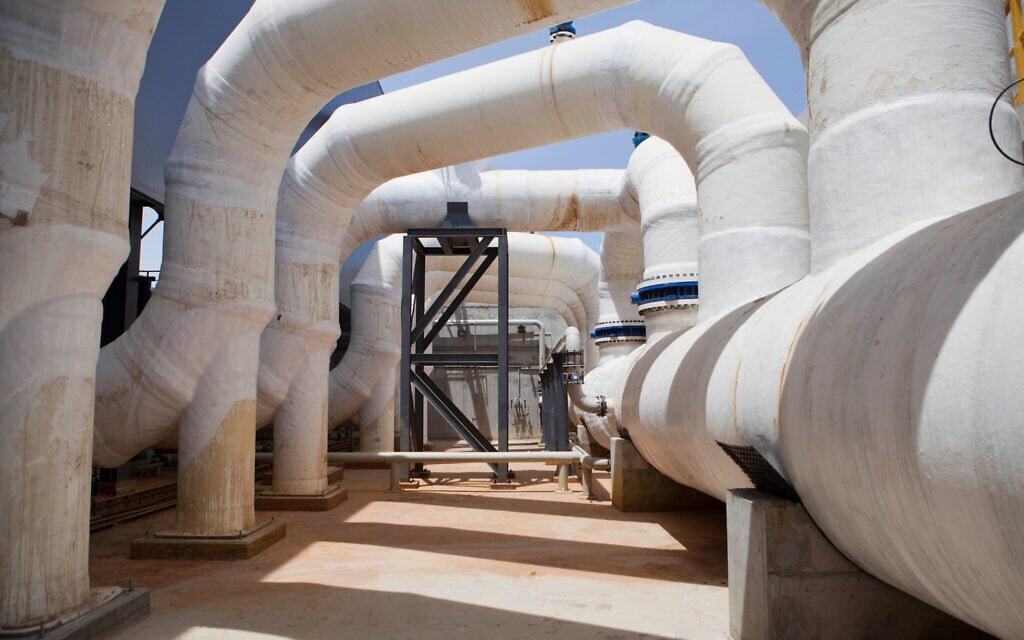
US President Donald Trump on Monday threatened to target Iran’s energy infrastructure, including the country’s desalination plants. Such a move — and Iran’s possible targeting of the plants of its Gulf Arab neighbors — could have devastating impacts across the water-starved Middle East.
In a post on Truth Social, Trump said if a deal to end the war isn’t reached «shortly» and the Strait of Hormuz, where much oil passes via tankers, is not immediately reopened, «we will conclude our lovely ‘stay’ in Iran by blowing up and completely obliterating all of their Electric Generating Plants, Oil Wells and Kharg Island (and possibly all desalinization plants!), which we have purposefully not yet ‘touched.’»
The biggest danger, analysts warn, may not be what Trump could do to Iran, but how Tehran could retaliate. Iran relies on desalination for a small share of its water supply, while Gulf Arab states depend on it for the vast majority.
Hundreds of desalination plants sit along the Persian Gulf coast, putting individual systems that supply water to millions within range of Iranian missile or drone strikes.
Without them, major cities — such as Dubai and Abu Dhabi in the United Arab Emirates or Doha, Qatar’s capital — could not sustain their current populations.
«Desalination facilities are oftentimes necessary for the survival of the civilian population and intentional destruction of those types of facilities is a war crime,» said Niku Jafarnia, a researcher at Human Rights Watch.
While less reliant on desalination, Iran’s water situation is direAfter a fifth year of extreme drought, some Iranian media reports say reservoirs supplying Tehran, the country’s capital, are below 10% capacity. Satellite pictures analyzed by The Associated Press also show reservoirs noticeably depleted. The country still draws most of its water from rivers, reservoirs and depleted underground aquifers.
Israeli airstrikes on March 7 on oil depots surrounding Tehran produced heavy smoke and acid rain. Experts warned the fallout could contaminate soil and parts of the city’s water supply.
In a post on Truth Social, Trump said if a deal to end the war isn’t reached «shortly» and the Strait of Hormuz, where much oil passes via tankers, is not immediately reopened, «we will conclude our lovely ‘stay’ in Iran by blowing up and completely obliterating all of their Electric Generating Plants, Oil Wells and Kharg Island (and possibly all desalinization plants!), which we have purposefully not yet ‘touched.’»
The biggest danger, analysts warn, may not be what Trump could do to Iran, but how Tehran could retaliate. Iran relies on desalination for a small share of its water supply, while Gulf Arab states depend on it for the vast majority.
Hundreds of desalination plants sit along the Persian Gulf coast, putting individual systems that supply water to millions within range of Iranian missile or drone strikes.
Without them, major cities — such as Dubai and Abu Dhabi in the United Arab Emirates or Doha, Qatar’s capital — could not sustain their current populations.
«Desalination facilities are oftentimes necessary for the survival of the civilian population and intentional destruction of those types of facilities is a war crime,» said Niku Jafarnia, a researcher at Human Rights Watch.
While less reliant on desalination, Iran’s water situation is direAfter a fifth year of extreme drought, some Iranian media reports say reservoirs supplying Tehran, the country’s capital, are below 10% capacity. Satellite pictures analyzed by The Associated Press also show reservoirs noticeably depleted. The country still draws most of its water from rivers, reservoirs and depleted underground aquifers.
Israeli airstrikes on March 7 on oil depots surrounding Tehran produced heavy smoke and acid rain. Experts warned the fallout could contaminate soil and parts of the city’s water supply.
Комментарии (0)