Tajik Ombudsman says prisons have conditions for medical treatment and surgery
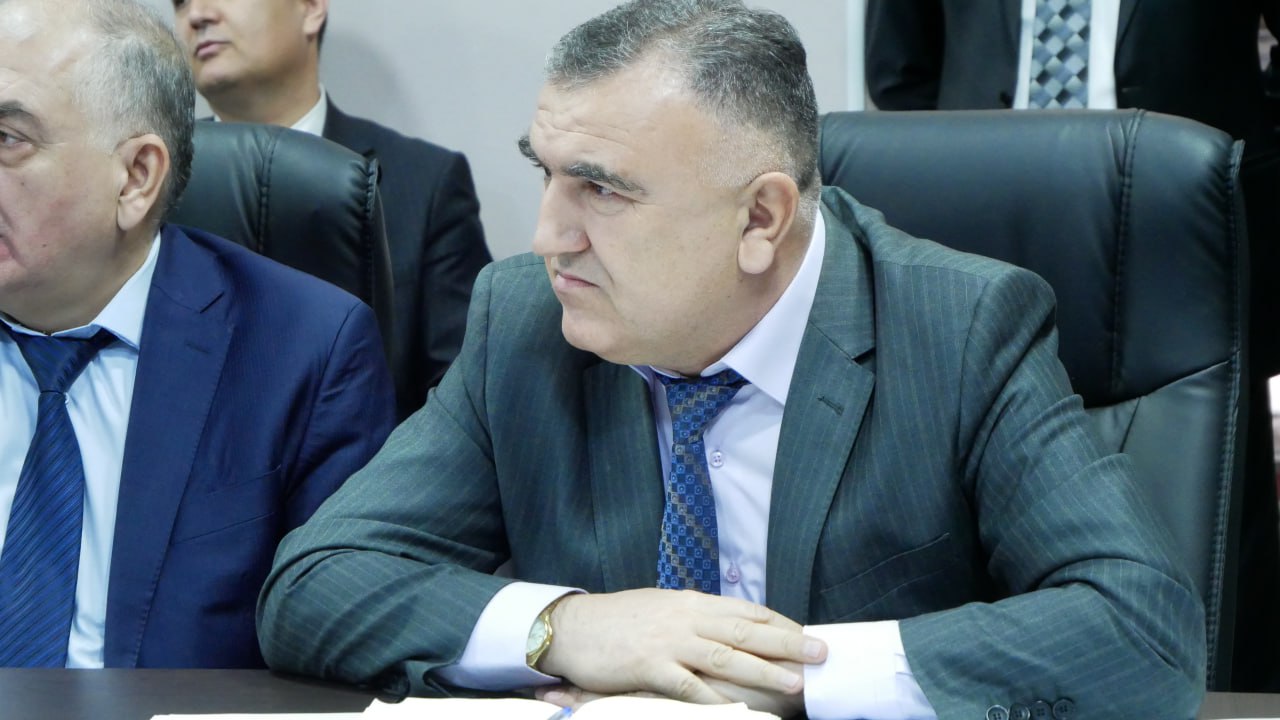
Tajikistan’s Human Rights Ombudsman has stated that the country’s prisons provide conditions for medical treatment and surgical operations, commenting on concerns over the health of inmates, including imprisoned journalists. The remarks were made at a press conference on February 9.
Husniddin Nidoyev, a representative of the Ombudsman’s office, said that in 2025 officials met with several imprisoned journalists and other inmates during visits to correctional facilities. In December, the delegation visited a women’s prison in Nurek, where they spoke with Tajik journalist Rukhshona Hakimova, who was convicted a year earlier, as well as with other inmates.
According to Nidoyev, Hakimova expressed satisfaction with the observance of her rights in detention and spoke positively about the attitude of prison staff. He added that she said she was studying English while in prison.
«During inspections, representatives of the Human Rights Ombudsman do not assess criminal cases or court proceedings. Our task is to monitor the observance of prisoners’ rights. We ask inmates who wishes to speak with us privately and hold such meetings if there are requests,» Nidoyev said.
At the same time, Human Rights Ombudsman Umed Bobozoda did not give a clear answer as to why relatives of Abdusattor Pirmuhammadzoda — a Tajik journalist convicted four years ago — were denied permission to have him undergo surgery outside the correctional facility. He suggested that the decision «may be related to the nature of the crime committed.»
According to Pirmuhammadzoda’s relatives, he was held in a punishment cell at a prison in Khujand from March to August 2025. After his condition worsened in September, he was transferred first to Dushanbe and later to the prison hospital in Vahdat.
The family said that the Main Directorate for the Execution of Criminal Sentences refused to allow surgery outside the prison, citing the availability of surgical services at the Vahdat prison hospital.
The Ombudsman also declined to comment on the health conditions and treatment of other high-profile inmates, including Hamrokhon Zarifi and Ahmadshoh Komilzoda, reiterating that prisons in Tajikistan have adequate medical facilities.
Bobozoda said that inmates whose health deteriorates are treated at the Vahdat prison hospital, which serves prisoners from 18 other correctional facilities.
«I personally visited this hospital two or three times. All necessary medications and doctors are available there. Moreover, there are qualified specialists among the inmates themselves who are capable of performing surgical operations,» he said.
He added that there have also been cases where prisoners requiring complex surgery were operated on at a city emergency hospital before being returned to their correctional facilities.
Husniddin Nidoyev, a representative of the Ombudsman’s office, said that in 2025 officials met with several imprisoned journalists and other inmates during visits to correctional facilities. In December, the delegation visited a women’s prison in Nurek, where they spoke with Tajik journalist Rukhshona Hakimova, who was convicted a year earlier, as well as with other inmates.
According to Nidoyev, Hakimova expressed satisfaction with the observance of her rights in detention and spoke positively about the attitude of prison staff. He added that she said she was studying English while in prison.
«During inspections, representatives of the Human Rights Ombudsman do not assess criminal cases or court proceedings. Our task is to monitor the observance of prisoners’ rights. We ask inmates who wishes to speak with us privately and hold such meetings if there are requests,» Nidoyev said.
At the same time, Human Rights Ombudsman Umed Bobozoda did not give a clear answer as to why relatives of Abdusattor Pirmuhammadzoda — a Tajik journalist convicted four years ago — were denied permission to have him undergo surgery outside the correctional facility. He suggested that the decision «may be related to the nature of the crime committed.»
According to Pirmuhammadzoda’s relatives, he was held in a punishment cell at a prison in Khujand from March to August 2025. After his condition worsened in September, he was transferred first to Dushanbe and later to the prison hospital in Vahdat.
The family said that the Main Directorate for the Execution of Criminal Sentences refused to allow surgery outside the prison, citing the availability of surgical services at the Vahdat prison hospital.
The Ombudsman also declined to comment on the health conditions and treatment of other high-profile inmates, including Hamrokhon Zarifi and Ahmadshoh Komilzoda, reiterating that prisons in Tajikistan have adequate medical facilities.
Bobozoda said that inmates whose health deteriorates are treated at the Vahdat prison hospital, which serves prisoners from 18 other correctional facilities.
«I personally visited this hospital two or three times. All necessary medications and doctors are available there. Moreover, there are qualified specialists among the inmates themselves who are capable of performing surgical operations,» he said.
He added that there have also been cases where prisoners requiring complex surgery were operated on at a city emergency hospital before being returned to their correctional facilities.
Комментарии (0)