Mine action as a humanitarian challenge in Azerbaijan
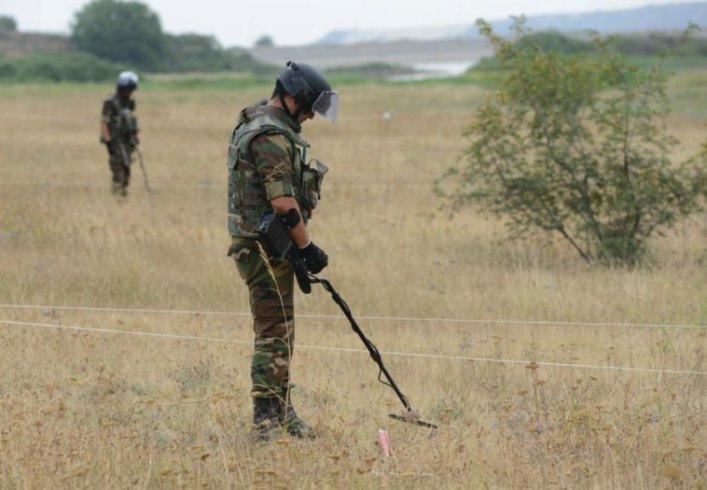
Mine action in Azerbaijan represents one of the most significant humanitarian demining efforts in the South Caucasus region. Decades of armed conflict, particularly related to the Karabakh conflict, have left large areas of the country contaminated with landmines and unexploded ordnance (UXO). These explosive remnants of war continue to pose serious risks to civilian life, hinder economic development, and delay the safe return of internally displaced persons (IDPs).
At least 60 states, including Azerbaijan, are still contaminated with landmines. Every year landmines lead to the death and injury of thousands of people, in some cases even after a conflict has been resolved.
Azerbaijan is among the countries most affected by landmine contamination. Large portions of the formerly occupied territories, including Karabakh and East Zangezur, are affected by anti-personnel mines, anti-tank mines, and other explosive hazards. Mine contamination has impacted agricultural land, residential areas, roads, and critical infrastructure. As a result, thousands of civilians have been killed or injured since the early 1990s, with casualties continuing even after the cessation of large-scale hostilities.
Humanitarian demining remains one of Azerbaijan’s key priorities in its state policy, mobilizing all available domestic resources to mitigate the mine danger. However, Azerbaijan considers international political and practical support crucial in preventing the humanitarian impacts of mines.
Azerbaijan is among the most heavily mine-contaminated countries globally. The latest survey indicates that total contaminated area in the liberated territories of Azerbaijan stands at approximately 11,667 square kilometres. This area constitutes more than 13,4% of the country’s total territory of 86,600 square kilometres. More than 1 million landmines and an unknown number of ERW contamination in these territories pose severe risks to civilians and hinder socio-economic development.
From the end of war in 2020 until 31 December 2025, 253 landmine explosion incidents occurred, resulting in 415 victims, including children and women, underscoring the urgent need for mine clearance and victim assistance. Over the last 30 years, the cumulative toll of landmine victims in Azerbaijan has exceeded 3,400.
The end of war in 2020 marked the beginning of an extensive humanitarian demining in Azerbaijan to restore safety in the liberated territories, facilitating the reconstruction of these areas and the safe return of former internally displaced persons (IDPs). Foreign assistance has accounted for only 4,9% of the resources dedicated to demining. This is notably low, both in light of the gravity of demining challenges Azerbaijan confronts and when compared to the level of contributions typically made by the international donor community to similar issues elsewhere.
One of the main obstacles to effective mine action in Azerbaijan is the lack of accurate historical minefield maps. In many cases, mine locations are unknown or only partially documented, increasing the danger and time required for clearance. Additionally, mountainous landscapes and harsh weather conditions complicate operations.
Humanitarian demining is among the top priorities of Azerbaijan’s state policies. Today, the primary body in charge of humanitarian demining in Azerbaijan is the Mine Action Agency of the Republic of Azerbaijan — ANAMA.
Mine action is also resource-intensive, requiring sustained financial, technical, and human capacity. Azerbaijan continues to call for greater international cooperation and support to accelerate clearance efforts.
The Republic of Azerbaijan is implementing humanitarian demining at its own expense. Adequate political and practical support from the international community for mitigating humanitarian consequences of mines and demining the affected areas are of utmost significance.
The Government of Azerbaijan provides assistance for the care and rehabilitation, social and economic reintegration of mine victims and for mine risk education programs. Assistance is provided to meet the immediate and long-term needs of EO survivors, their families and persons with disabilities. Assistance includes, but is not limited to, emergency and continuing medical care; physical rehabilitation; psychosocial support and social inclusion; and laws and public policies that promote effective treatment, care and protection for all disabled citizens.
Azerbaijan sides would appreciate practical assistance for demining efforts of Azerbaijan. Given Azerbaijan’s relatively developed institutional capacity and training frameworks, the most critical form of assistance needed at this juncture is direct financial donations to amplify the scope of operations.
Mine action in Azerbaijan is essential for protecting civilians, restoring safe living conditions, and supporting the country’s post-conflict development. Although important progress has been achieved, continued efforts and international cooperation are necessary to fully address the landmine problem and ensure a safe future for affected communities.
At least 60 states, including Azerbaijan, are still contaminated with landmines. Every year landmines lead to the death and injury of thousands of people, in some cases even after a conflict has been resolved.
Azerbaijan is among the countries most affected by landmine contamination. Large portions of the formerly occupied territories, including Karabakh and East Zangezur, are affected by anti-personnel mines, anti-tank mines, and other explosive hazards. Mine contamination has impacted agricultural land, residential areas, roads, and critical infrastructure. As a result, thousands of civilians have been killed or injured since the early 1990s, with casualties continuing even after the cessation of large-scale hostilities.
Humanitarian demining remains one of Azerbaijan’s key priorities in its state policy, mobilizing all available domestic resources to mitigate the mine danger. However, Azerbaijan considers international political and practical support crucial in preventing the humanitarian impacts of mines.
Azerbaijan is among the most heavily mine-contaminated countries globally. The latest survey indicates that total contaminated area in the liberated territories of Azerbaijan stands at approximately 11,667 square kilometres. This area constitutes more than 13,4% of the country’s total territory of 86,600 square kilometres. More than 1 million landmines and an unknown number of ERW contamination in these territories pose severe risks to civilians and hinder socio-economic development.
From the end of war in 2020 until 31 December 2025, 253 landmine explosion incidents occurred, resulting in 415 victims, including children and women, underscoring the urgent need for mine clearance and victim assistance. Over the last 30 years, the cumulative toll of landmine victims in Azerbaijan has exceeded 3,400.
The end of war in 2020 marked the beginning of an extensive humanitarian demining in Azerbaijan to restore safety in the liberated territories, facilitating the reconstruction of these areas and the safe return of former internally displaced persons (IDPs). Foreign assistance has accounted for only 4,9% of the resources dedicated to demining. This is notably low, both in light of the gravity of demining challenges Azerbaijan confronts and when compared to the level of contributions typically made by the international donor community to similar issues elsewhere.
One of the main obstacles to effective mine action in Azerbaijan is the lack of accurate historical minefield maps. In many cases, mine locations are unknown or only partially documented, increasing the danger and time required for clearance. Additionally, mountainous landscapes and harsh weather conditions complicate operations.
Humanitarian demining is among the top priorities of Azerbaijan’s state policies. Today, the primary body in charge of humanitarian demining in Azerbaijan is the Mine Action Agency of the Republic of Azerbaijan — ANAMA.
Mine action is also resource-intensive, requiring sustained financial, technical, and human capacity. Azerbaijan continues to call for greater international cooperation and support to accelerate clearance efforts.
The Republic of Azerbaijan is implementing humanitarian demining at its own expense. Adequate political and practical support from the international community for mitigating humanitarian consequences of mines and demining the affected areas are of utmost significance.
The Government of Azerbaijan provides assistance for the care and rehabilitation, social and economic reintegration of mine victims and for mine risk education programs. Assistance is provided to meet the immediate and long-term needs of EO survivors, their families and persons with disabilities. Assistance includes, but is not limited to, emergency and continuing medical care; physical rehabilitation; psychosocial support and social inclusion; and laws and public policies that promote effective treatment, care and protection for all disabled citizens.
Azerbaijan sides would appreciate practical assistance for demining efforts of Azerbaijan. Given Azerbaijan’s relatively developed institutional capacity and training frameworks, the most critical form of assistance needed at this juncture is direct financial donations to amplify the scope of operations.
Mine action in Azerbaijan is essential for protecting civilians, restoring safe living conditions, and supporting the country’s post-conflict development. Although important progress has been achieved, continued efforts and international cooperation are necessary to fully address the landmine problem and ensure a safe future for affected communities.
Комментарии (0)