Mahmurod Ashourov: the first Tajik to conquer Ismoil Somoni Peak and his search for Nazarbibi
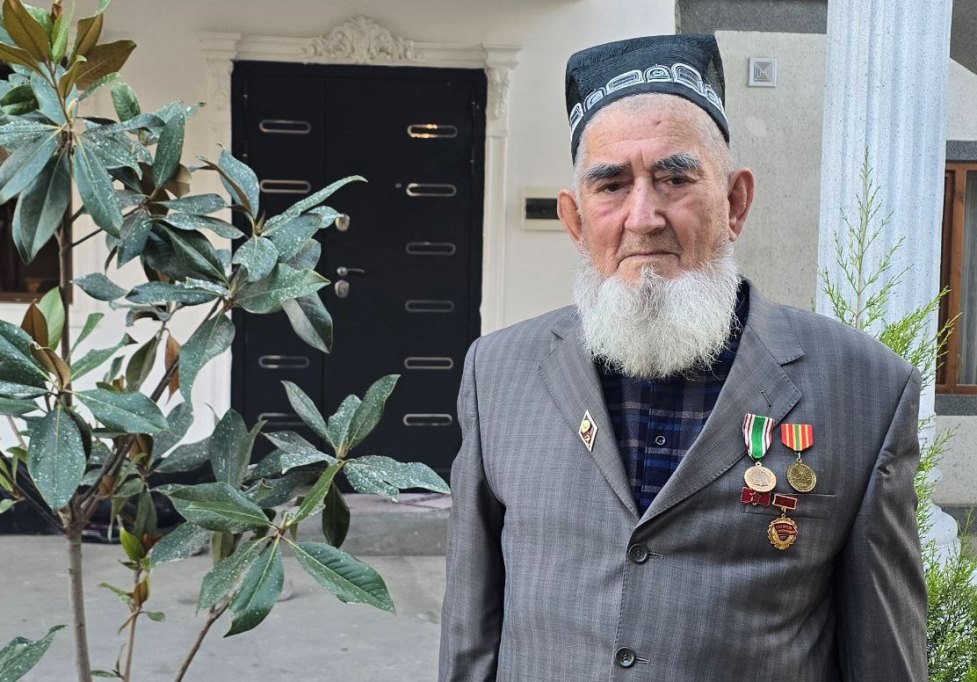
Mahmurod Ashourov, a legendary Tajik mountaineer, was the first Tajik to conquer the challenging Ismoil Somoni Peak, a feat that marked a significant milestone in the history of Tajik mountaineering. However, beyond his remarkable achievements in the mountains, Ashourov is also on a personal quest — one that has lasted for decades — to find a young girl named Nazarbibi, whom he saved during a plane crash in 1969.
The first Tajik to conquer Ismoil Somoni Peak
In the early stages of his mountaineering career, Ashourov made history by becoming the first Tajik to reach the summit of Ismoil Somoni Peak, the highest mountain in Tajikistan. Reflecting on this, he recalls the moment when Vladimir Shatayev, the deputy head of the Soviet Union’s Mountaineering Federation, learned of his achievement. Shatayev, who initially disapproved of Ashourov’s summit due to his third-level mountaineering status, later had a change of heart after a dramatic twist of fate.
Ashourov recounts how he, along with his mentor Mashkov, went to the rescue of Shatayev and three other climbers who had faced a serious accident at 6,200 meters. «Had we been ten minutes late, Shatayev would have perished from the cold. We were able to save them,» Ashourov recalls. After the rescue, Shatayev apologized and reinstated Ashurov’s summit certificate for Ismoil Somoni Peak.
Mountaineering: courage and love
Ashourov believes that mountaineering is not only a physical challenge but also a mental one that requires both courage and love for the sport. «For mountaineers, courage and love are crucial. You may feel weak from hunger and exhaustion on the way to the summit, but to reach your goal, you must find strength within,» he explains.
He also reminisces about his 1974 ascent of the «Freedom» Peak, during which he felt an earthquake at over 7,000 meters: «I felt the earth shaking. The ground was swaying like a cradle,» he says. Such experiences have shaped his understanding of the physical and emotional resilience required in mountaineering.
The search for Nazarbibi
While Ashourov’s achievements in mountaineering have been widely recognized, he is also deeply committed to a personal mission: finding Nazarbibi, a young girl he saved during a plane crash in the winter of 1969. The plane, an AN-2 aircraft, had crashed in the Saghirdasht region while flying from Tavildara to Badakhshan.
Ashourov recounts how he and his team were tasked with locating the downed plane, a task that even a helicopter couldn’t accomplish. When they found the wreckage, Ashourov heard a faint voice from the plane: «Uncle, uncle.» Upon entering, he discovered a 7-year-old girl alive and wrapped in her blue shawl. «I asked her name, and she said 'Nazarbibi,'» he remembers.
Despite this dramatic rescue, Ashourov never saw the girl again. Over the years, he has asked anyone from Badakhshan about her, and one person mentioned that she was from Darvoz and now has grandchildren. «I would love to see her again. I want to know what life she’s had, what she thinks, and whether she’s happy,» he says. His search continues to this day, as Ashourov remains hopeful that one day he will reunite with the girl he saved all those years ago.
The need for development in mountaineering in Tajikistan
Despite his personal quest, Ashurov is also concerned about the future of mountaineering in Tajikistan. He points out that there is still no specialized mountaineering school in the country, which he believes is a major obstacle to the sport’s development. «Mountaineering is not well-developed in Tajikistan,» he laments. Ashurov stresses the importance of establishing proper training and support for future mountaineers and expresses concern about the lack of attention from the authorities to the sport’s development.
A legacy of courage, compassion, and hope
Mahmurod Ashourov’s story is a powerful reminder of the strength, resilience, and compassion that define not only great mountaineers but also great human beings. His search for Nazarbibi is more than just a personal quest; it symbolizes his deep care for others and his enduring hope to reconnect with someone he once saved. At the same time, his dedication to the development of mountaineering in Tajikistan continues to inspire future generations of climbers.
The first Tajik to conquer Ismoil Somoni Peak
In the early stages of his mountaineering career, Ashourov made history by becoming the first Tajik to reach the summit of Ismoil Somoni Peak, the highest mountain in Tajikistan. Reflecting on this, he recalls the moment when Vladimir Shatayev, the deputy head of the Soviet Union’s Mountaineering Federation, learned of his achievement. Shatayev, who initially disapproved of Ashourov’s summit due to his third-level mountaineering status, later had a change of heart after a dramatic twist of fate.
Ashourov recounts how he, along with his mentor Mashkov, went to the rescue of Shatayev and three other climbers who had faced a serious accident at 6,200 meters. «Had we been ten minutes late, Shatayev would have perished from the cold. We were able to save them,» Ashourov recalls. After the rescue, Shatayev apologized and reinstated Ashurov’s summit certificate for Ismoil Somoni Peak.
Mountaineering: courage and love
Ashourov believes that mountaineering is not only a physical challenge but also a mental one that requires both courage and love for the sport. «For mountaineers, courage and love are crucial. You may feel weak from hunger and exhaustion on the way to the summit, but to reach your goal, you must find strength within,» he explains.
He also reminisces about his 1974 ascent of the «Freedom» Peak, during which he felt an earthquake at over 7,000 meters: «I felt the earth shaking. The ground was swaying like a cradle,» he says. Such experiences have shaped his understanding of the physical and emotional resilience required in mountaineering.
The search for Nazarbibi
While Ashourov’s achievements in mountaineering have been widely recognized, he is also deeply committed to a personal mission: finding Nazarbibi, a young girl he saved during a plane crash in the winter of 1969. The plane, an AN-2 aircraft, had crashed in the Saghirdasht region while flying from Tavildara to Badakhshan.
Ashourov recounts how he and his team were tasked with locating the downed plane, a task that even a helicopter couldn’t accomplish. When they found the wreckage, Ashourov heard a faint voice from the plane: «Uncle, uncle.» Upon entering, he discovered a 7-year-old girl alive and wrapped in her blue shawl. «I asked her name, and she said 'Nazarbibi,'» he remembers.
Despite this dramatic rescue, Ashourov never saw the girl again. Over the years, he has asked anyone from Badakhshan about her, and one person mentioned that she was from Darvoz and now has grandchildren. «I would love to see her again. I want to know what life she’s had, what she thinks, and whether she’s happy,» he says. His search continues to this day, as Ashourov remains hopeful that one day he will reunite with the girl he saved all those years ago.
The need for development in mountaineering in Tajikistan
Despite his personal quest, Ashurov is also concerned about the future of mountaineering in Tajikistan. He points out that there is still no specialized mountaineering school in the country, which he believes is a major obstacle to the sport’s development. «Mountaineering is not well-developed in Tajikistan,» he laments. Ashurov stresses the importance of establishing proper training and support for future mountaineers and expresses concern about the lack of attention from the authorities to the sport’s development.
A legacy of courage, compassion, and hope
Mahmurod Ashourov’s story is a powerful reminder of the strength, resilience, and compassion that define not only great mountaineers but also great human beings. His search for Nazarbibi is more than just a personal quest; it symbolizes his deep care for others and his enduring hope to reconnect with someone he once saved. At the same time, his dedication to the development of mountaineering in Tajikistan continues to inspire future generations of climbers.
Комментарии (0)